Justin Schueler

Independent Design Director

I design brands and products that feel considered.

About

My work sits at the intersection of strategy and craft. I lead design, shape direction, align stakeholders, and still care about the details. Whether it's a brand identity, a product interface, or a design system, I'm as interested in the thinking as I am in the output.

I founded smalltribe, a branding and product design studio. Alongside that, I work directly with companies as an embedded partner — a fractional design lead for teams that need senior guidance without the full-time overhead.

Projects

tribehouse

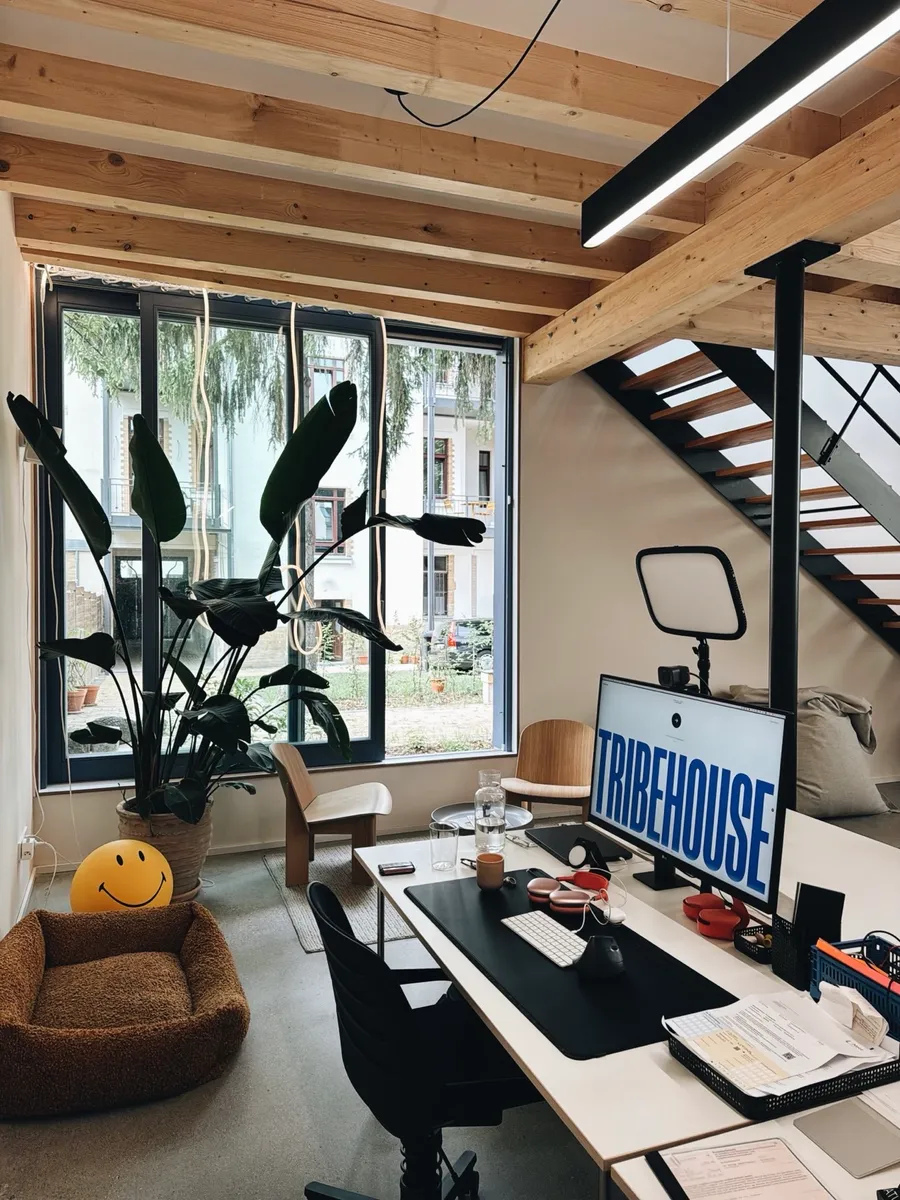
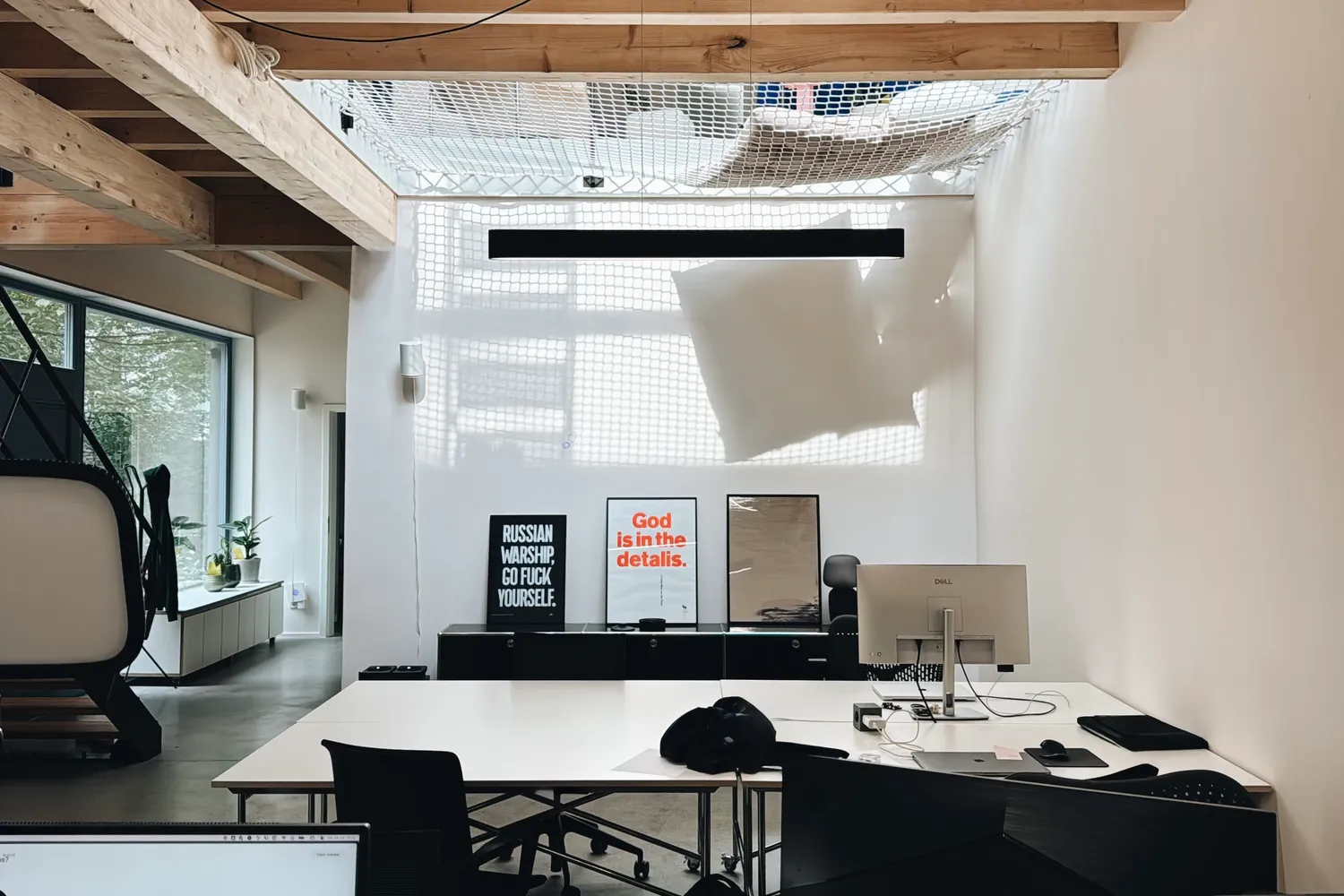
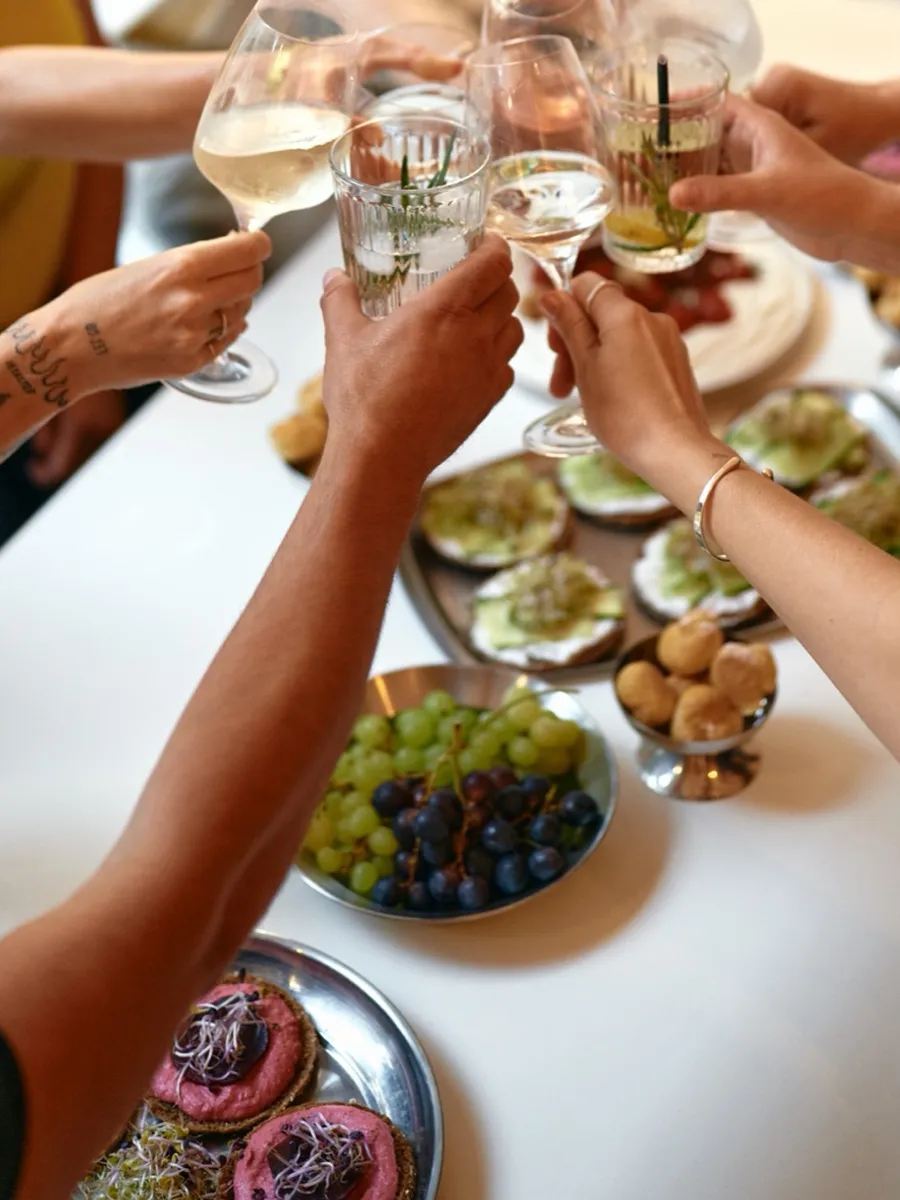
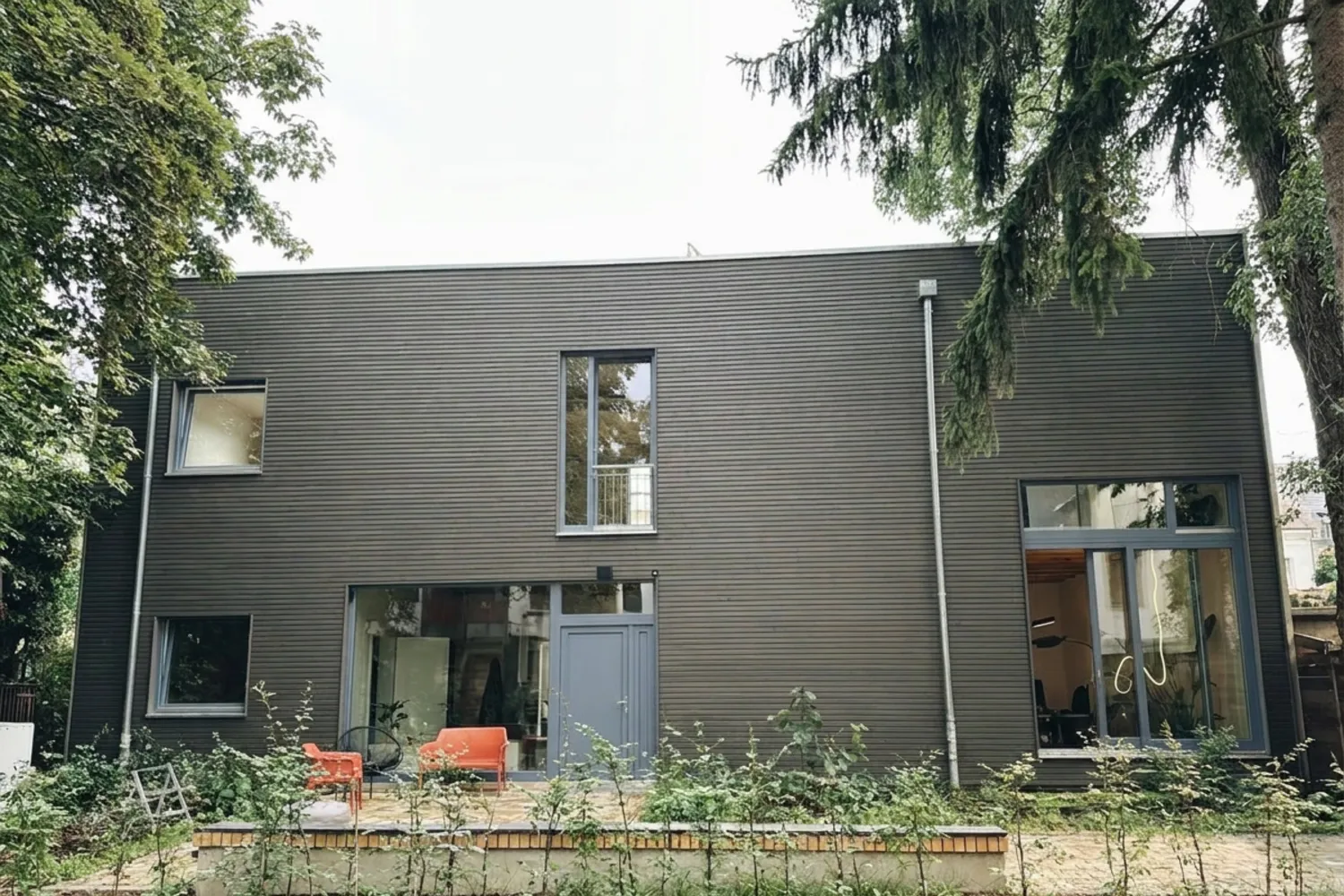
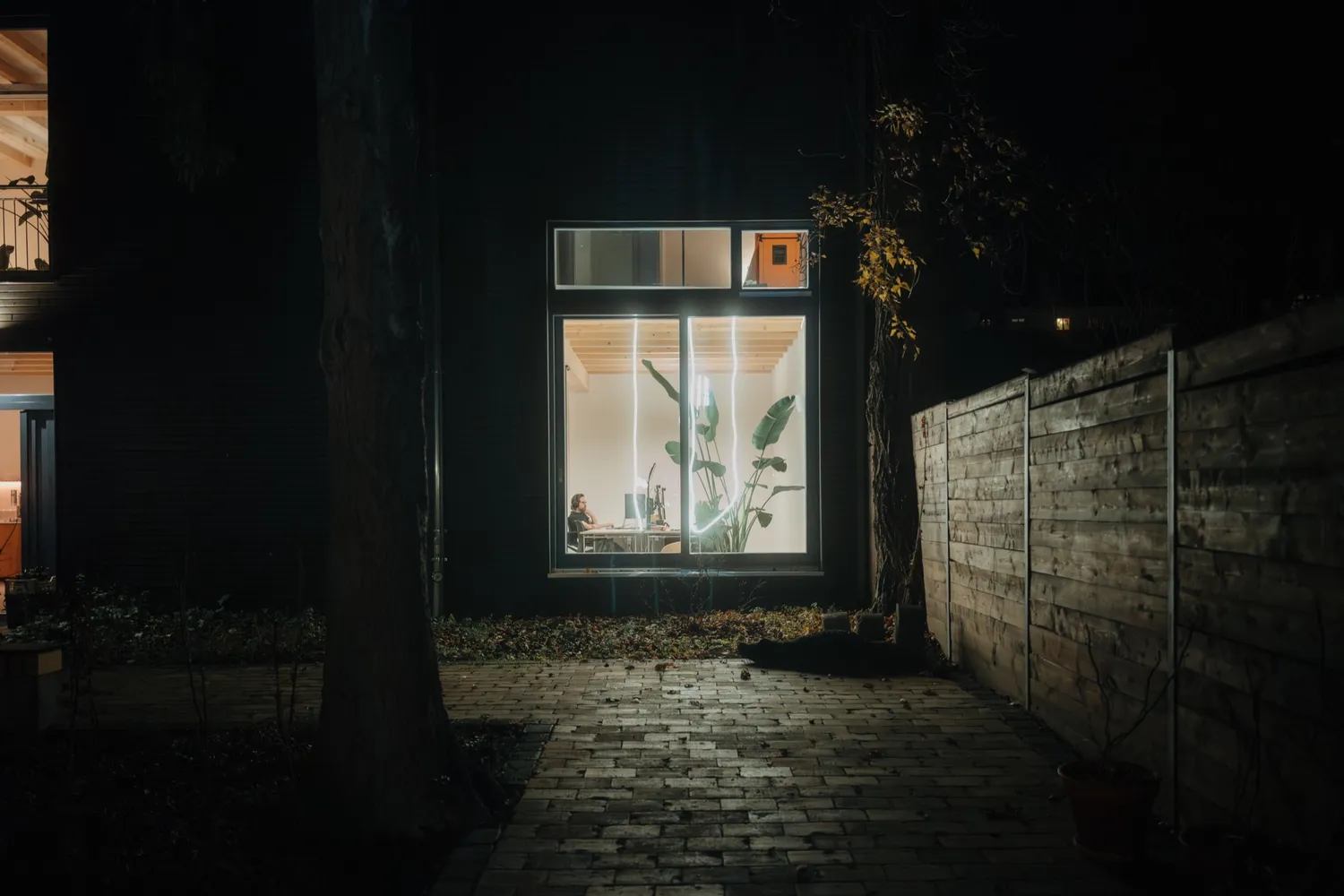
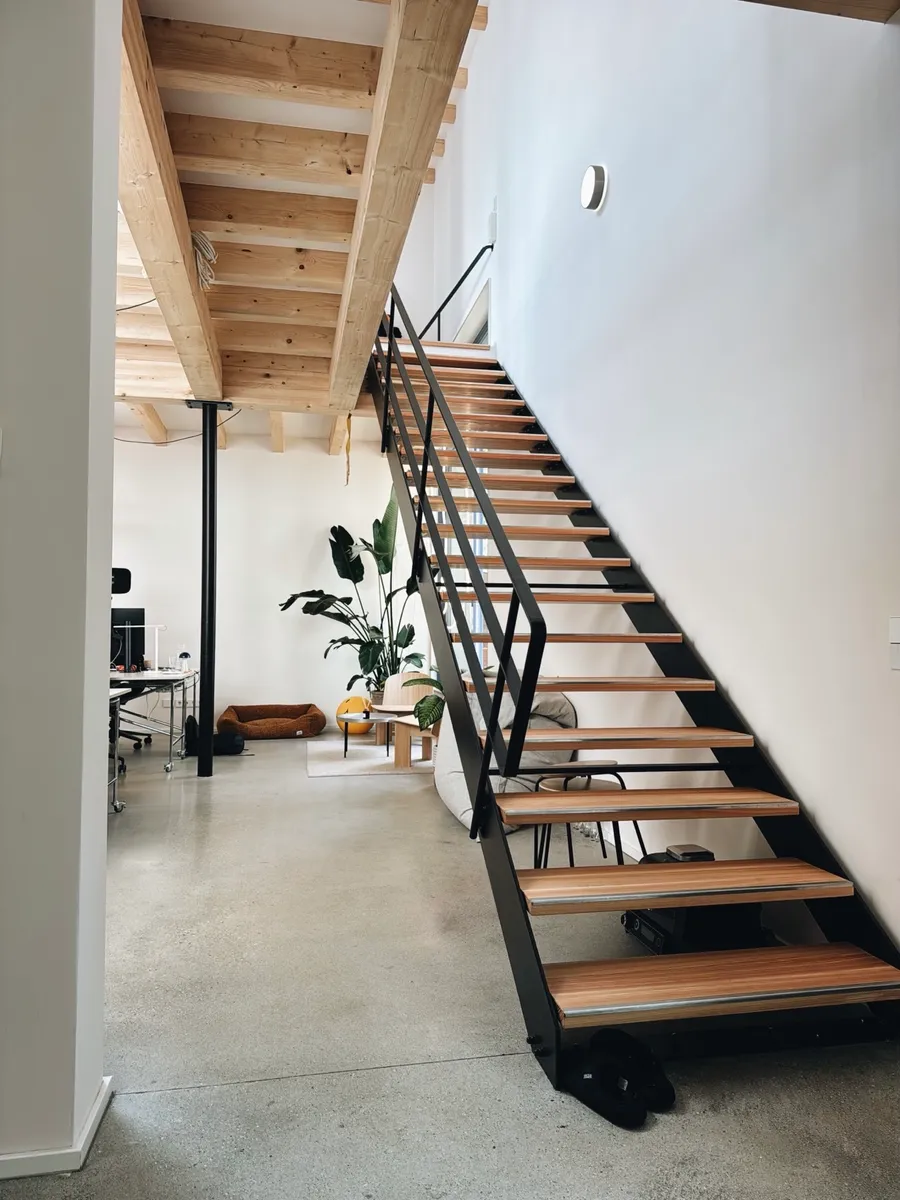
A focused workspace in West Leipzig, and everything around it: the house, the identity, the website and the small tools that run it day to day.

The mark is TH.S. Cut away the T, the dot and the S, and the H turns into the front of the house. Everything else stays quiet: ink on paper, three pastels taken from the membership cards, interiors in natural tones.

Opened
2025
Where
West Leipzig
What
Coworking, events, gallery
Role
Founder

smalltribe

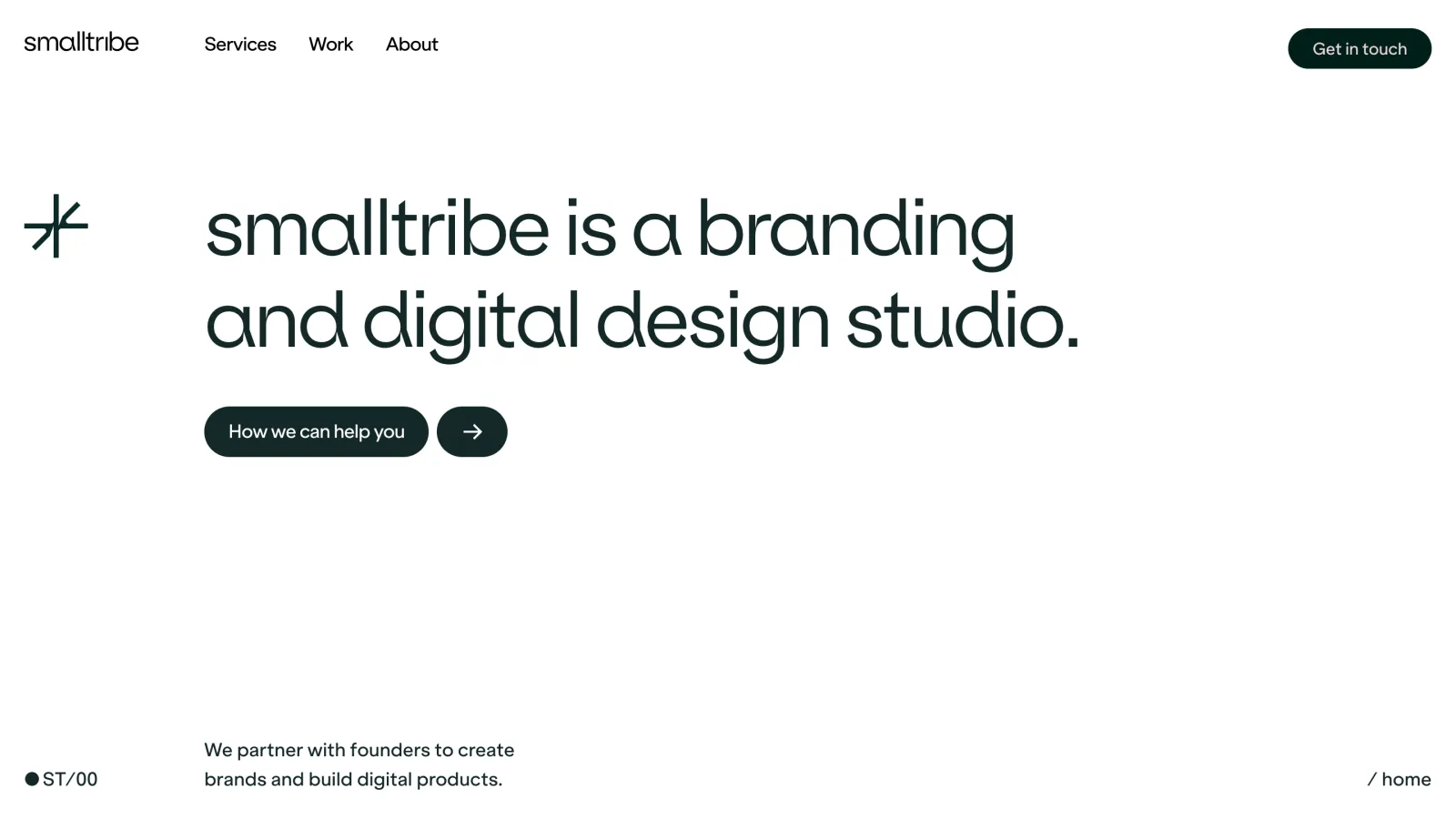
A branding and digital design studio in Leipzig. It partners with founders to create brands and build digital products: identity, interfaces and the systems that keep them coherent, from positioning to shipped product.

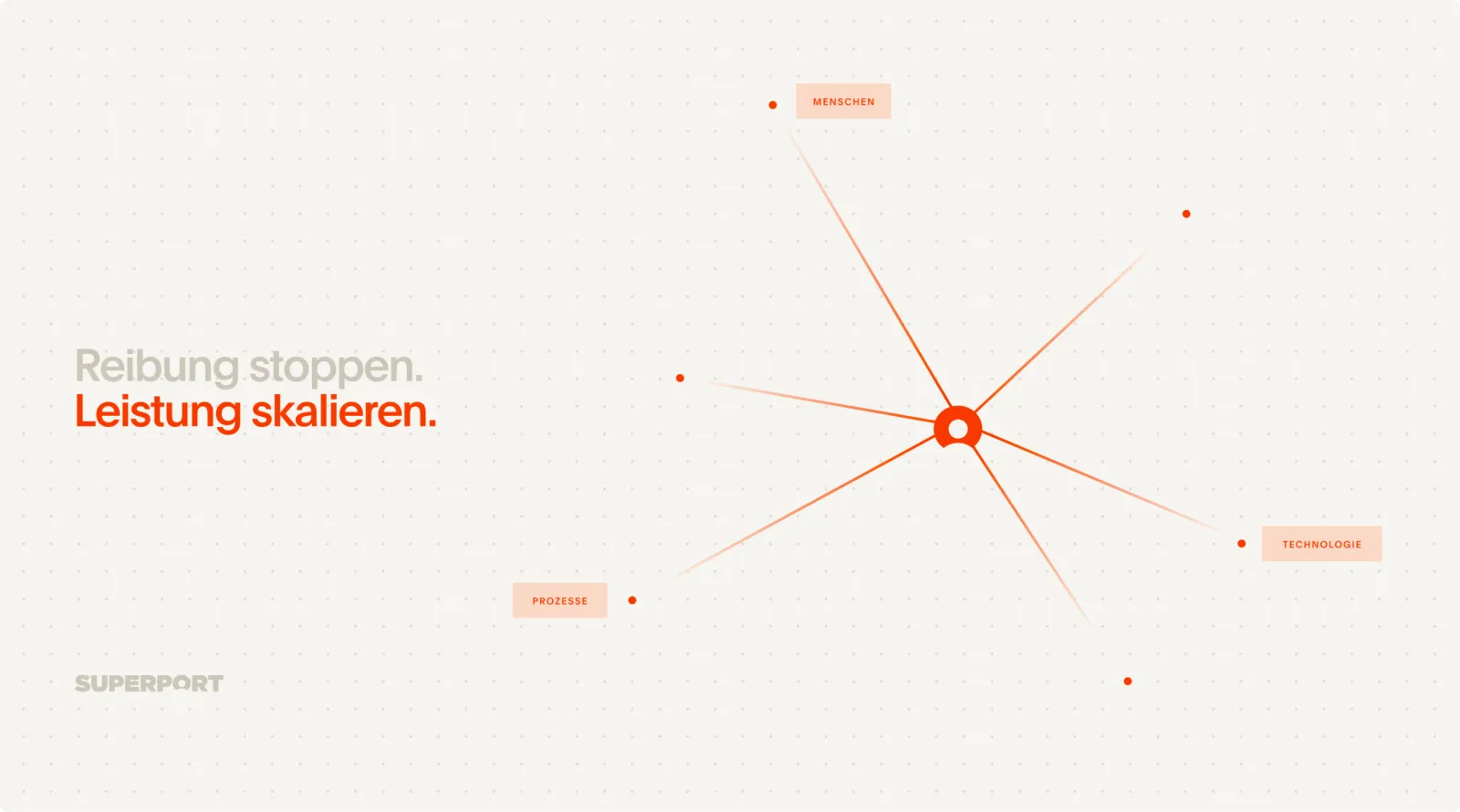
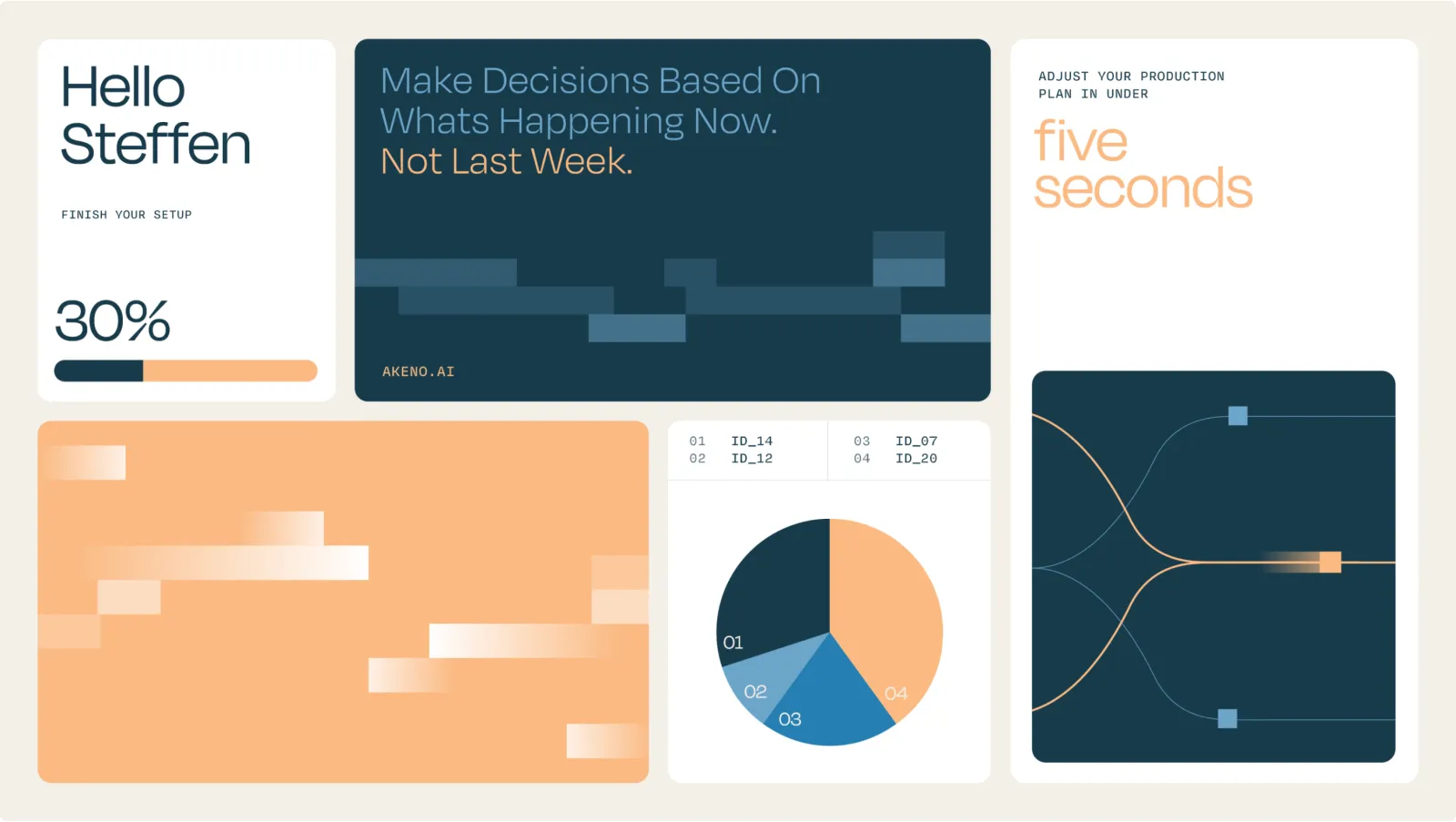
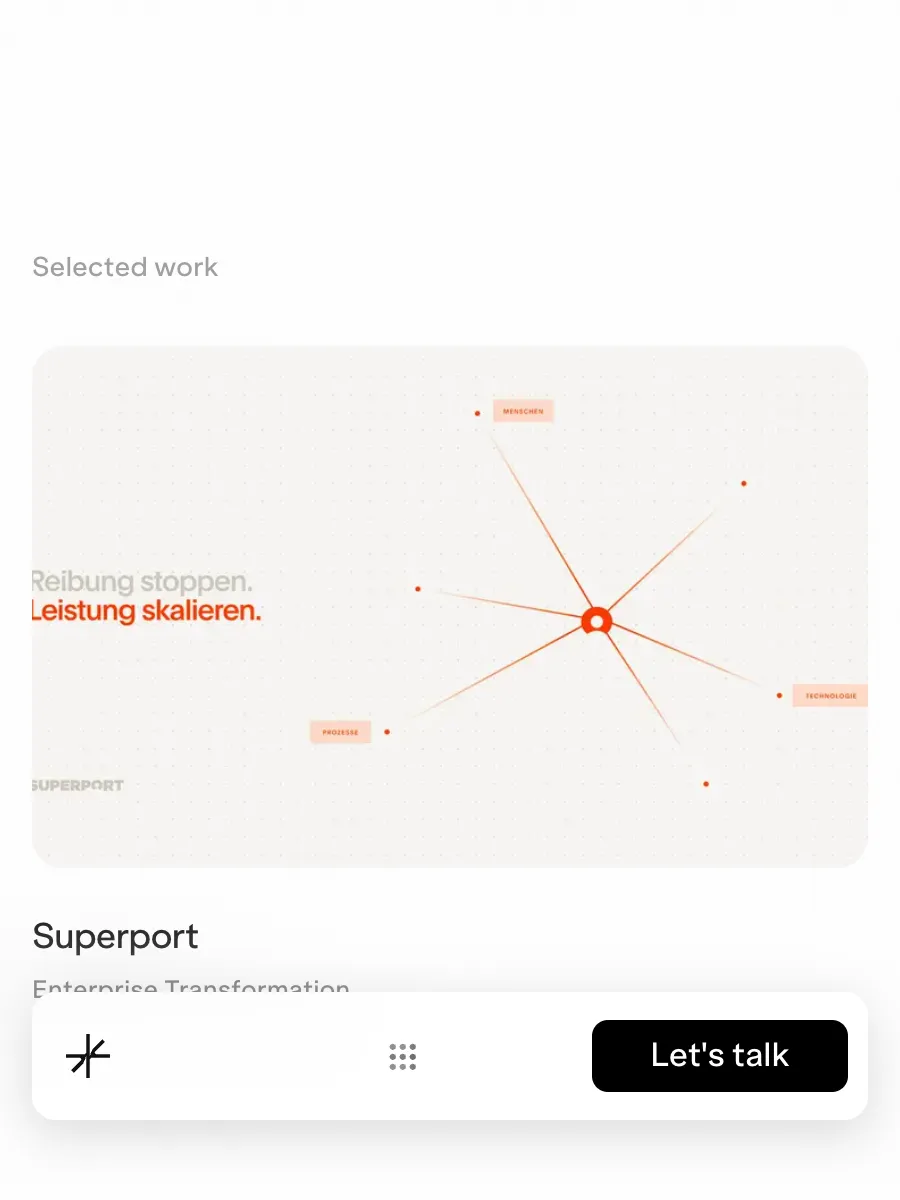
A small core team works with a wider circle of trusted people, so every project stays one conversation. Recent work includes a brand system for Superport and the naming, identity and website for Akeno. smalltribe.studio

Founded
2022
Where
Leipzig
What
Brands, digital products, websites
Role
Founder & Design Director

offene art

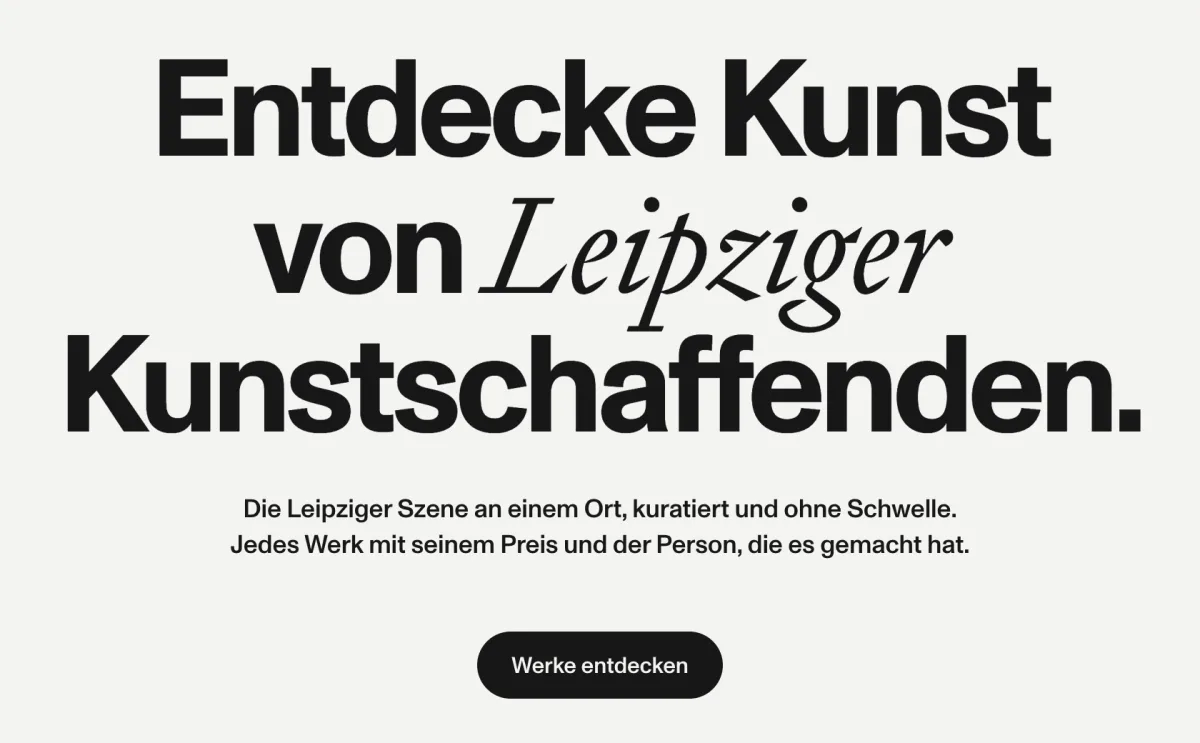
An online gallery for Leipzig's art scene: every work with its price and the person who made it, side by side at true scale or in a room. Behind it, a portal where artists keep their whole archive and decide what is public, for sale or private.

What
Online gallery, artist portal
Where
Leipzig
Live
offeneart.com, as a landing page until the gallery opens

Verk

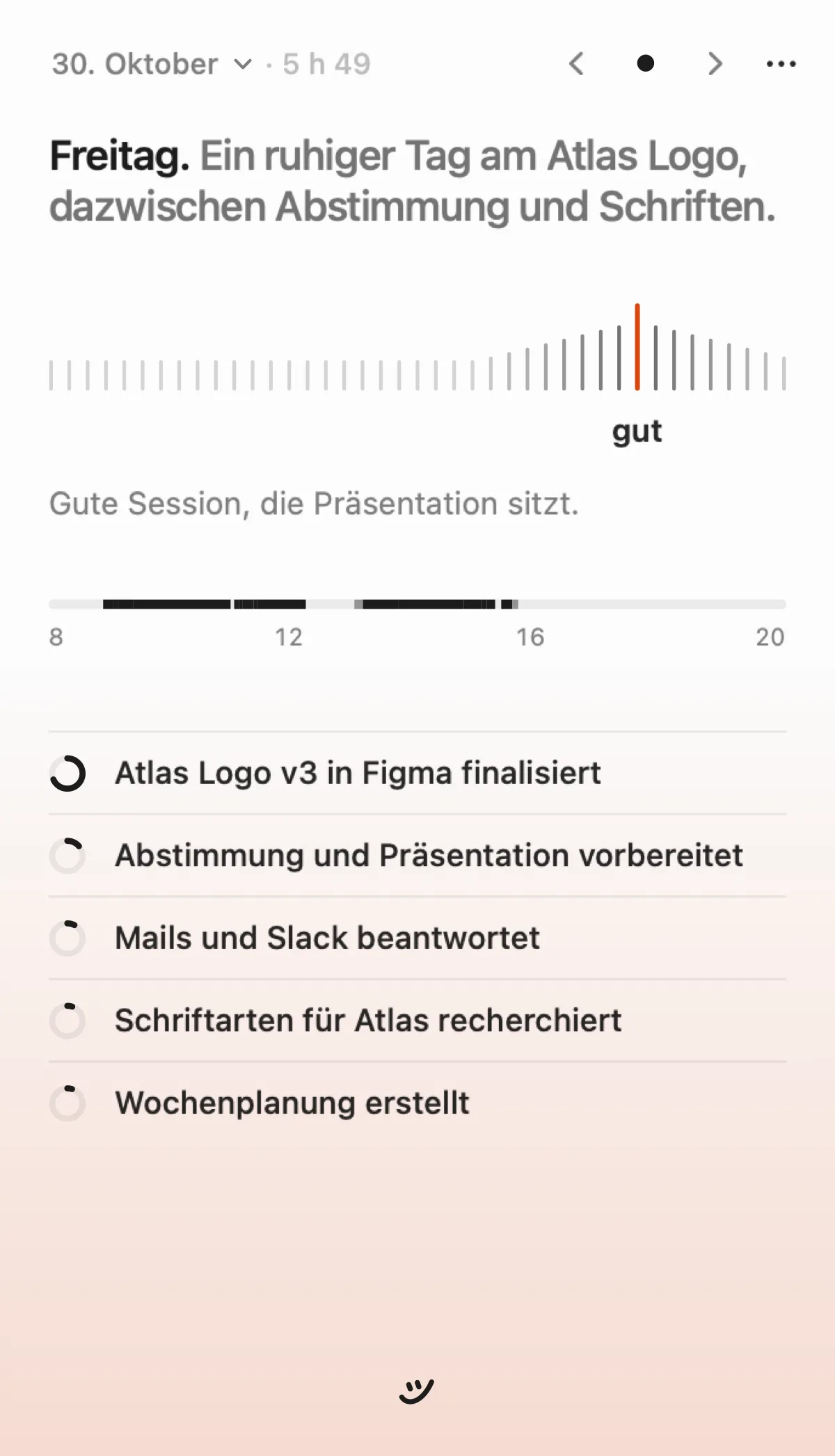
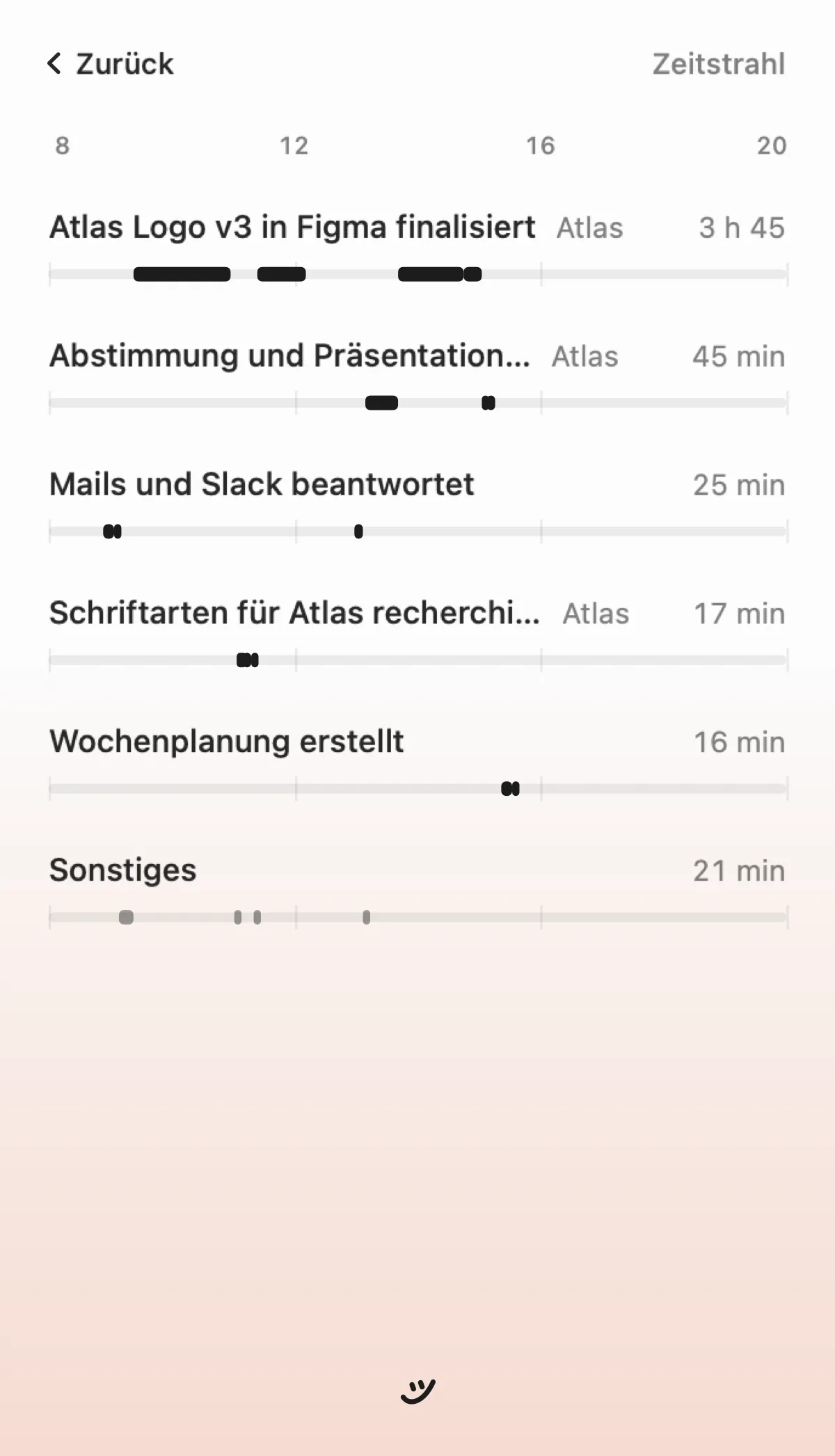
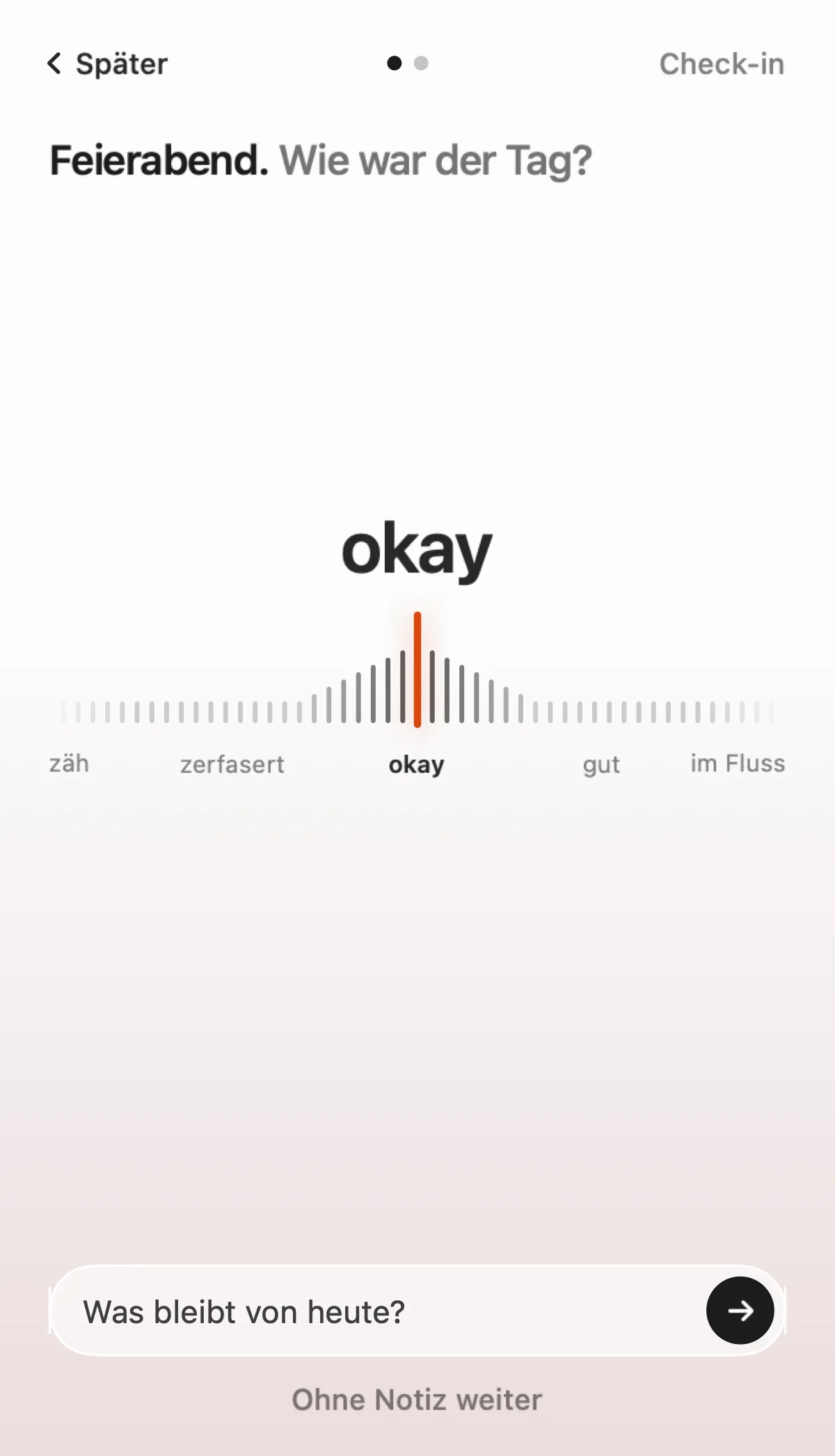
A work diary that writes itself. Verk sits in the menu bar, notices which apps, windows and tabs I work in, and in the evening a local model turns the day into four or five ticked-off lines. Nothing leaves the Mac.

What
macOS menu bar app
Role
Design and build

Manual

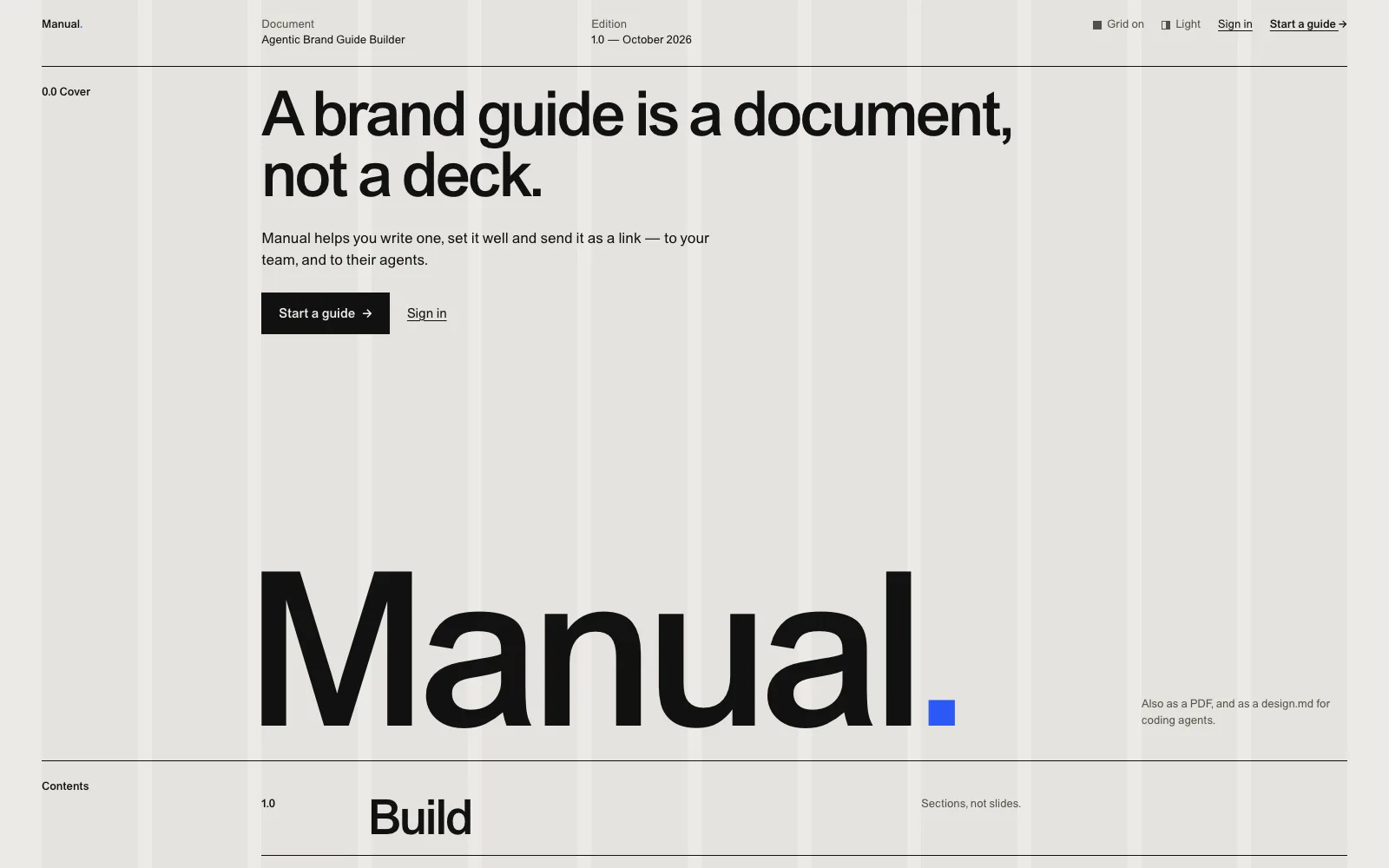
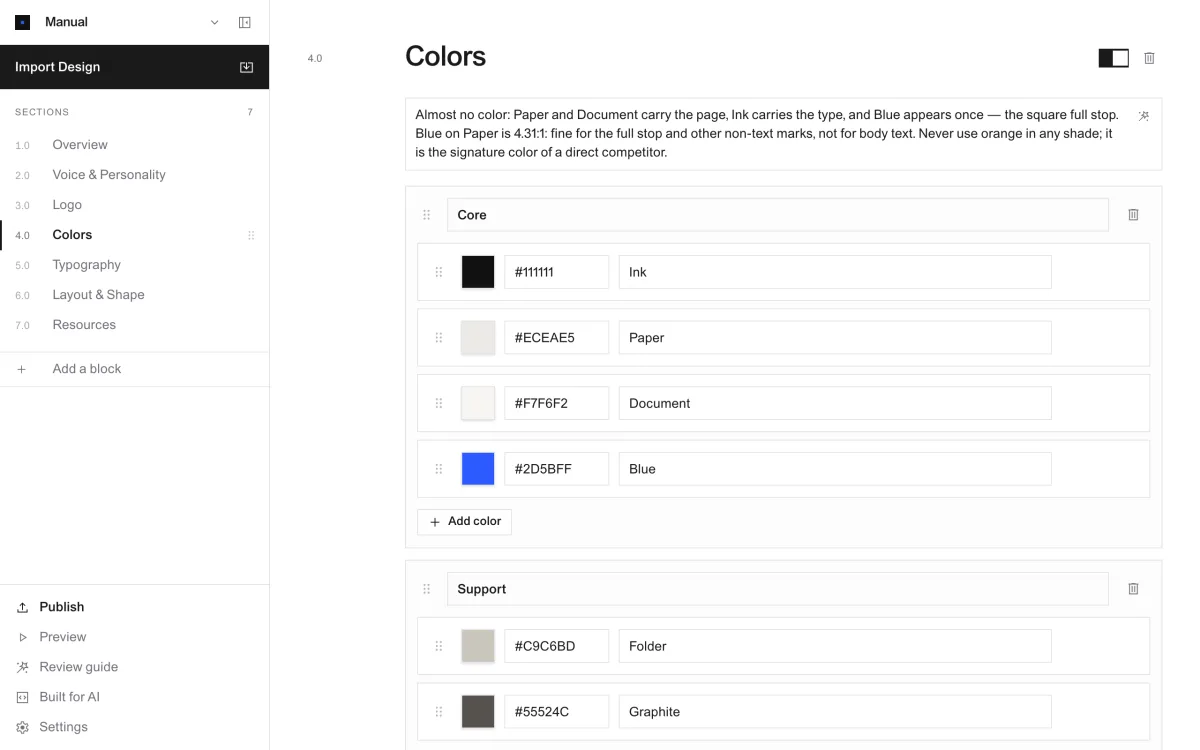
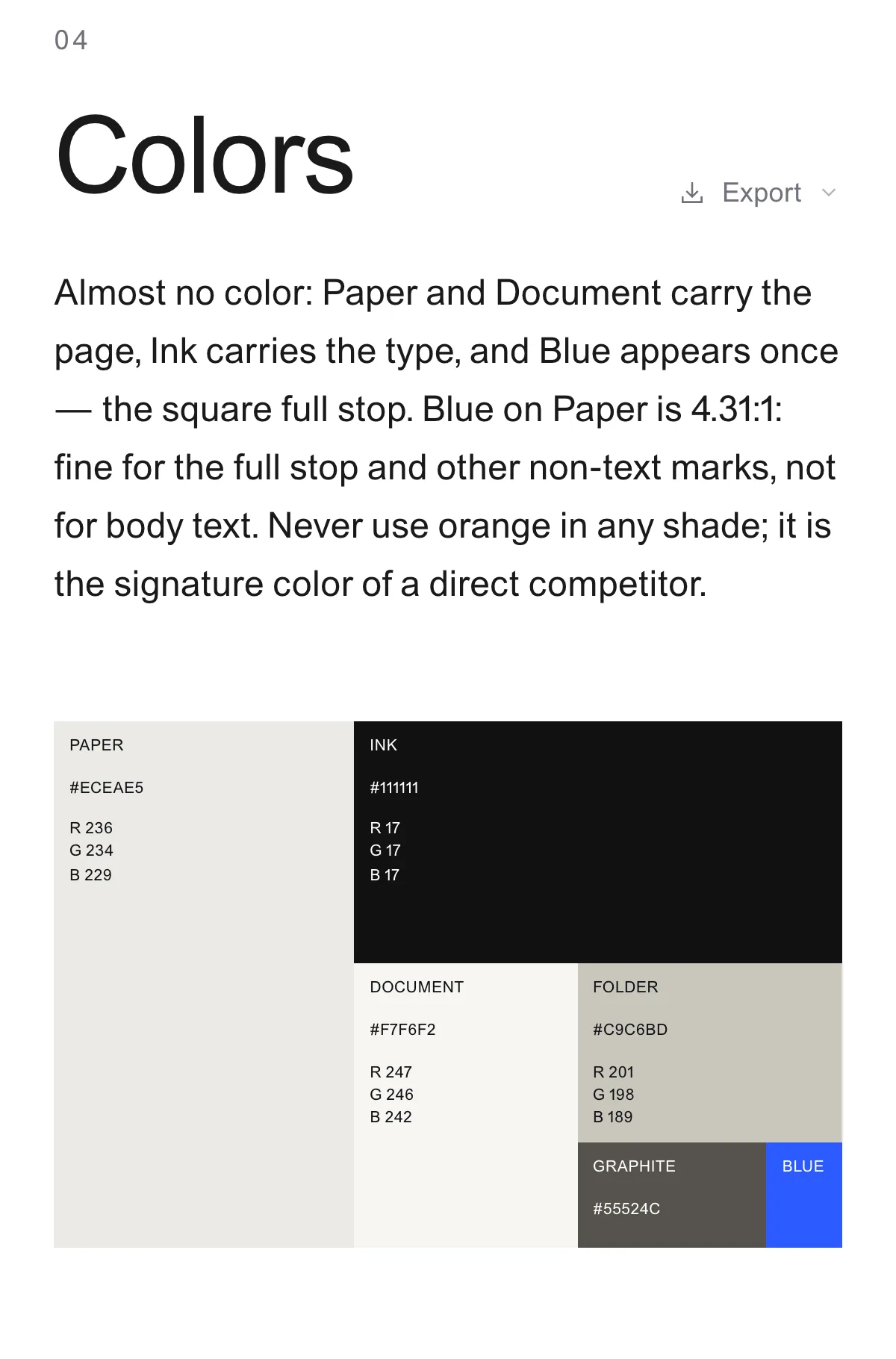
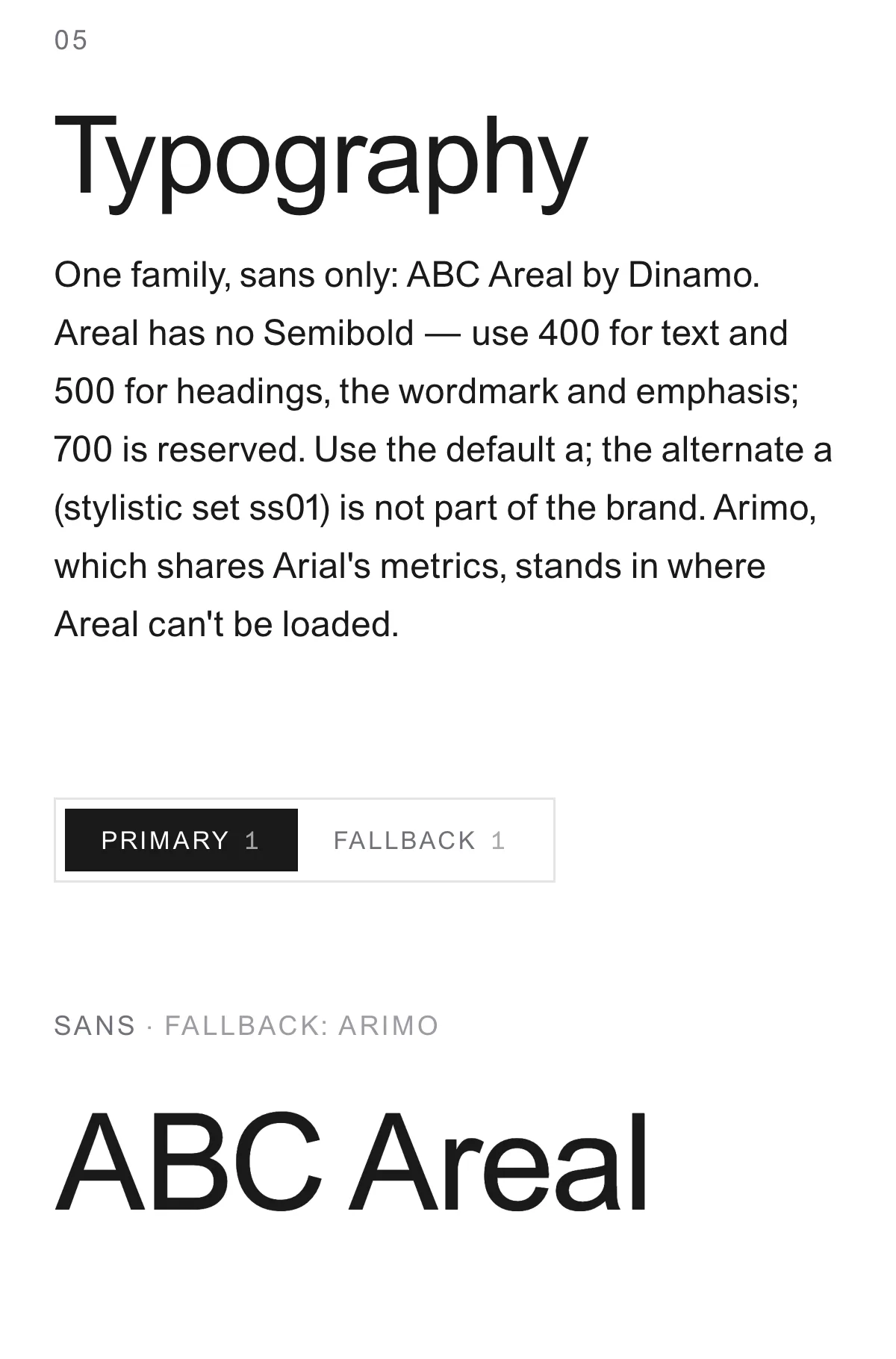
A brand guide is a document, not a deck. Manual helps you write one, set it well and send it as a link, to your team and to their agents. A guide can start from an existing PDF, a website, a Figma file or an image. Every published guide is also served as a design.md, the brand's tokens and rules in one file for coding agents.

What
Brand guide builder
Role
Design and build

previews.social

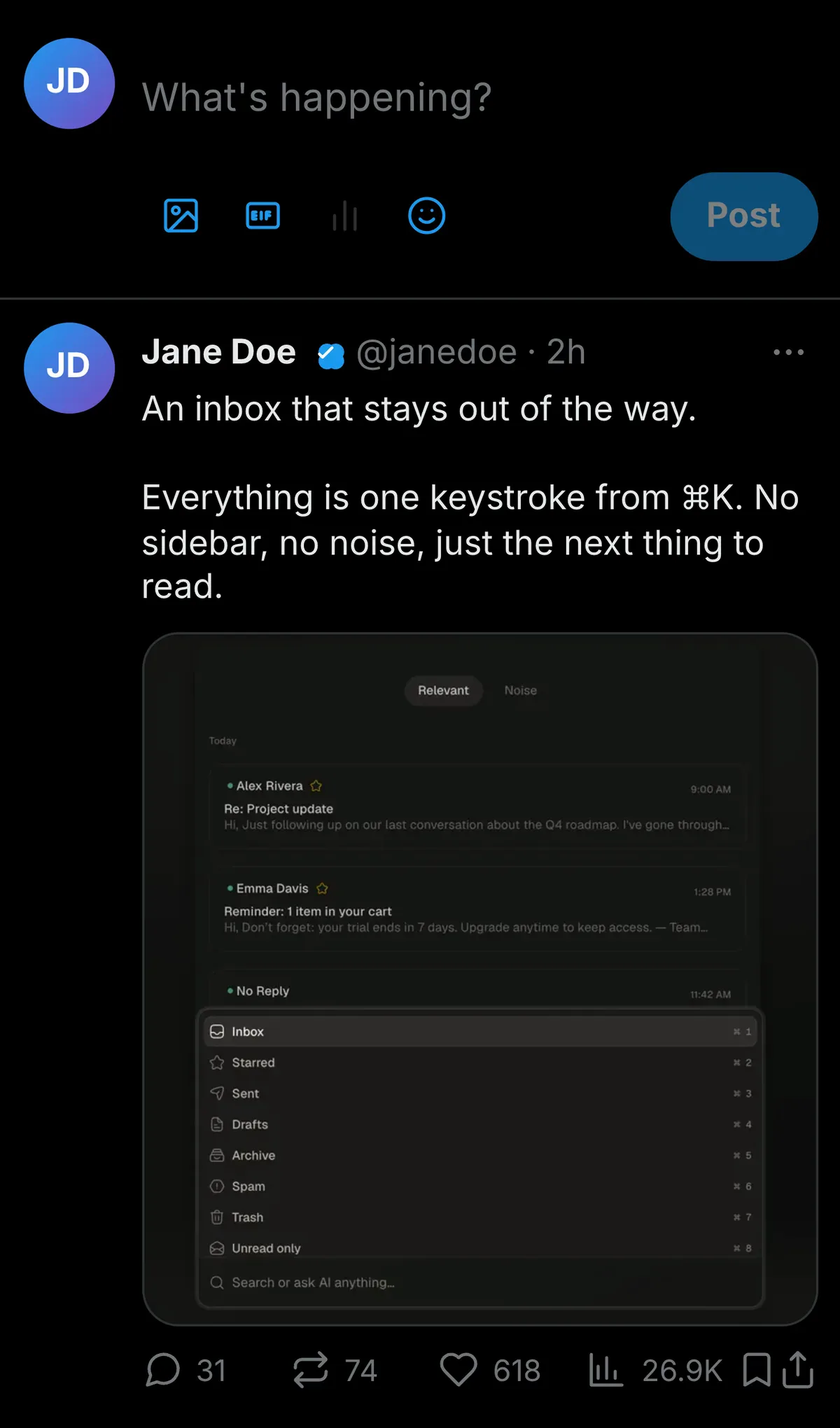
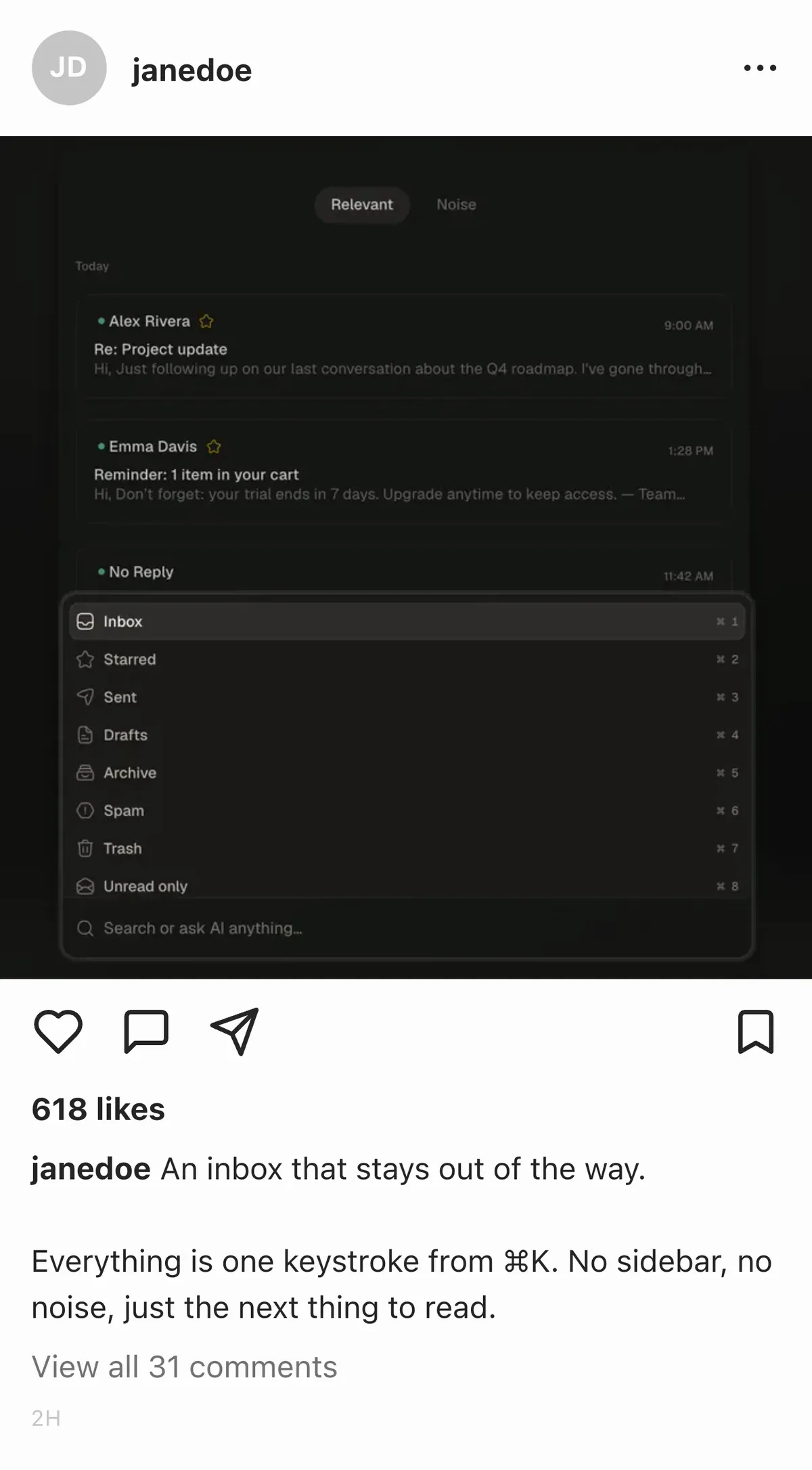
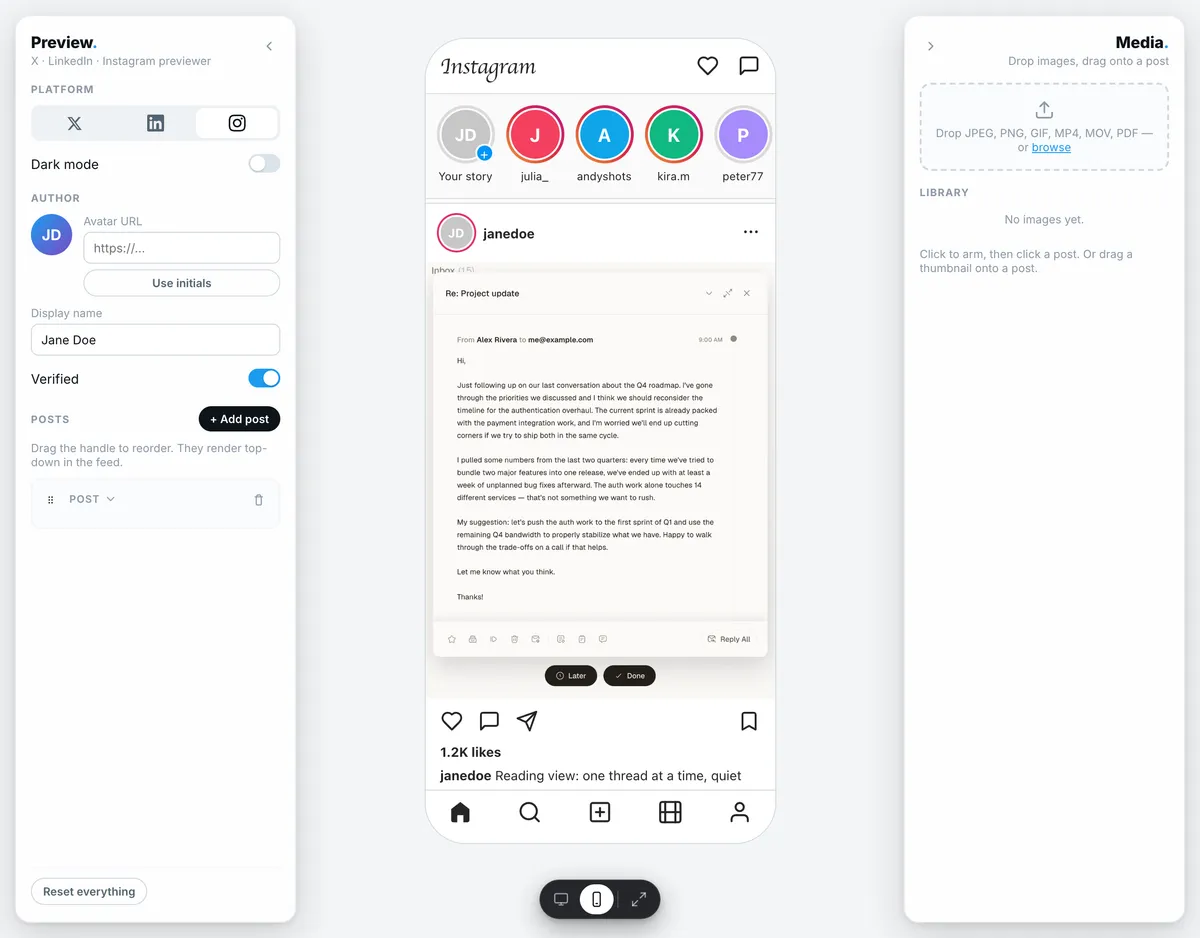
A simple app to preview social media posts in the actual platform UI, before they go out.

What
Social post previewer
Role
Design and build

omou

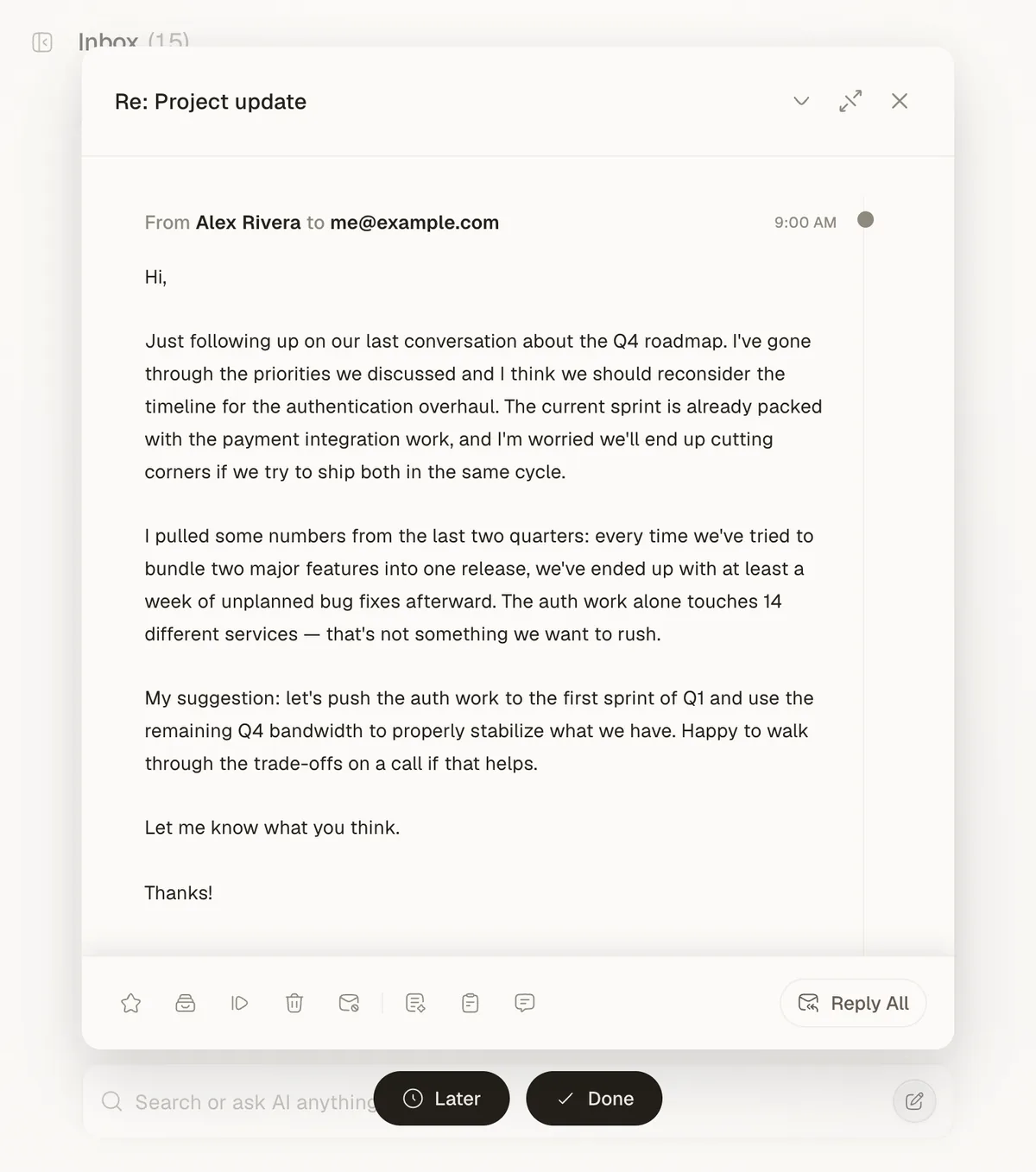
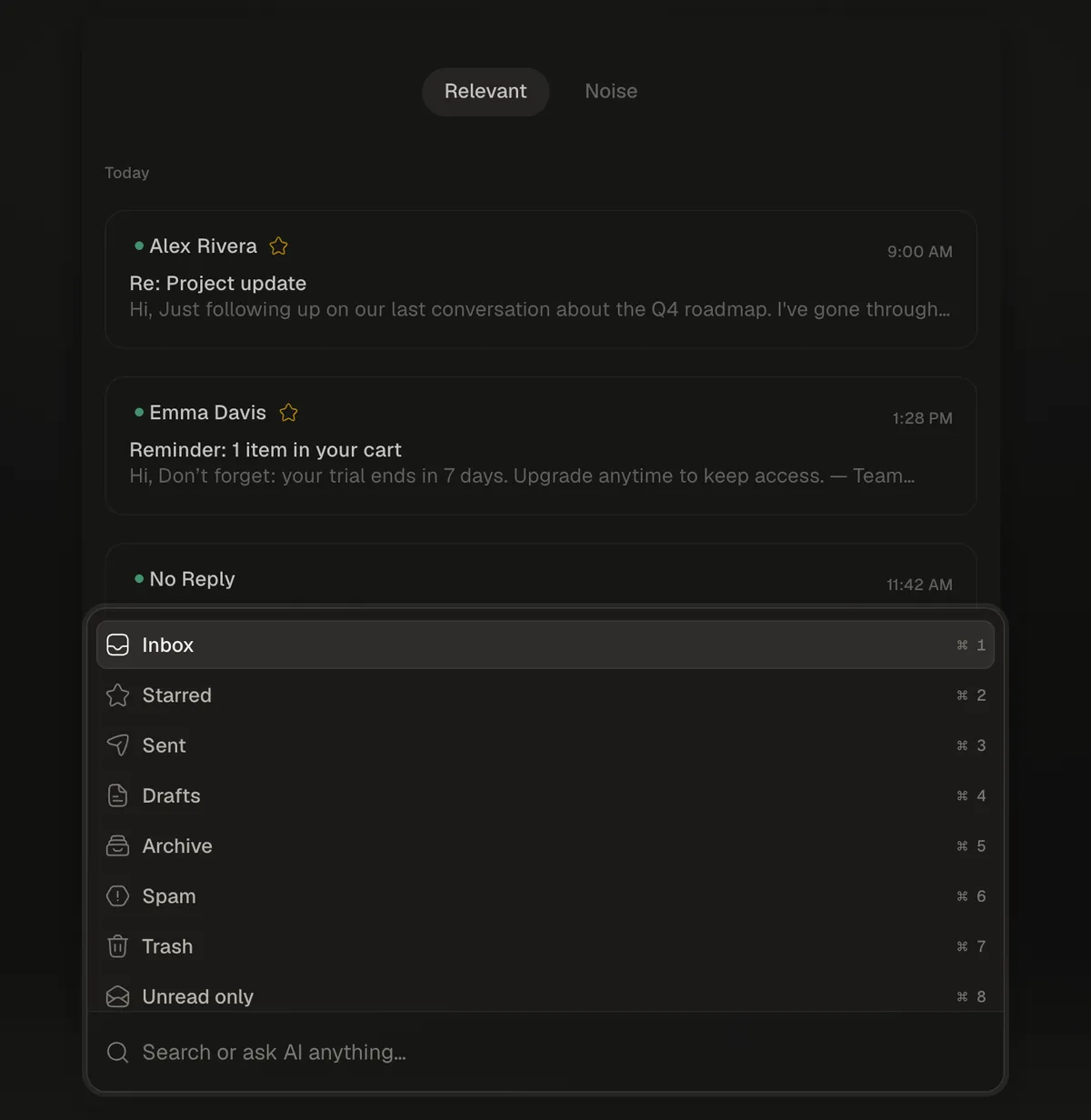
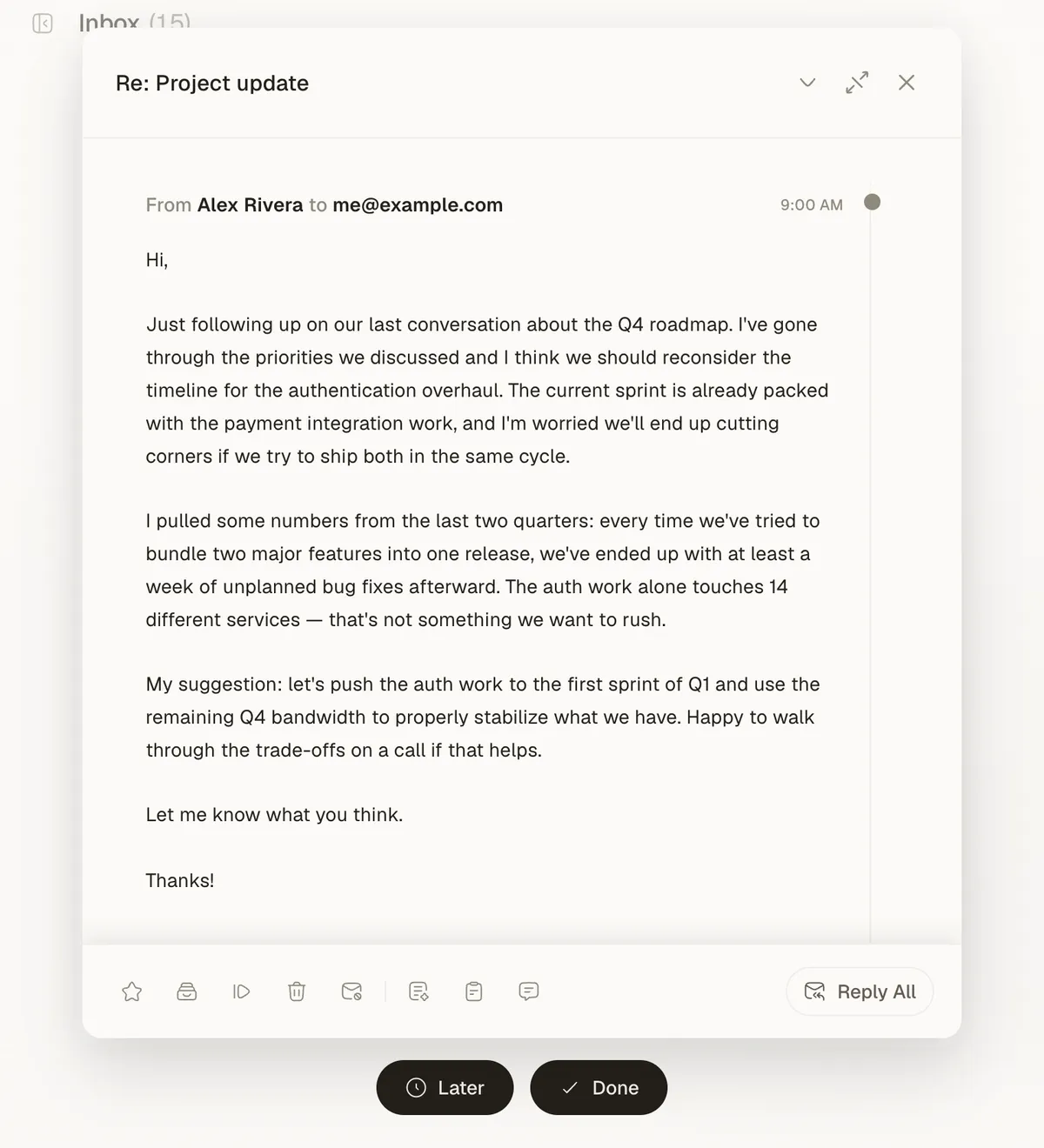
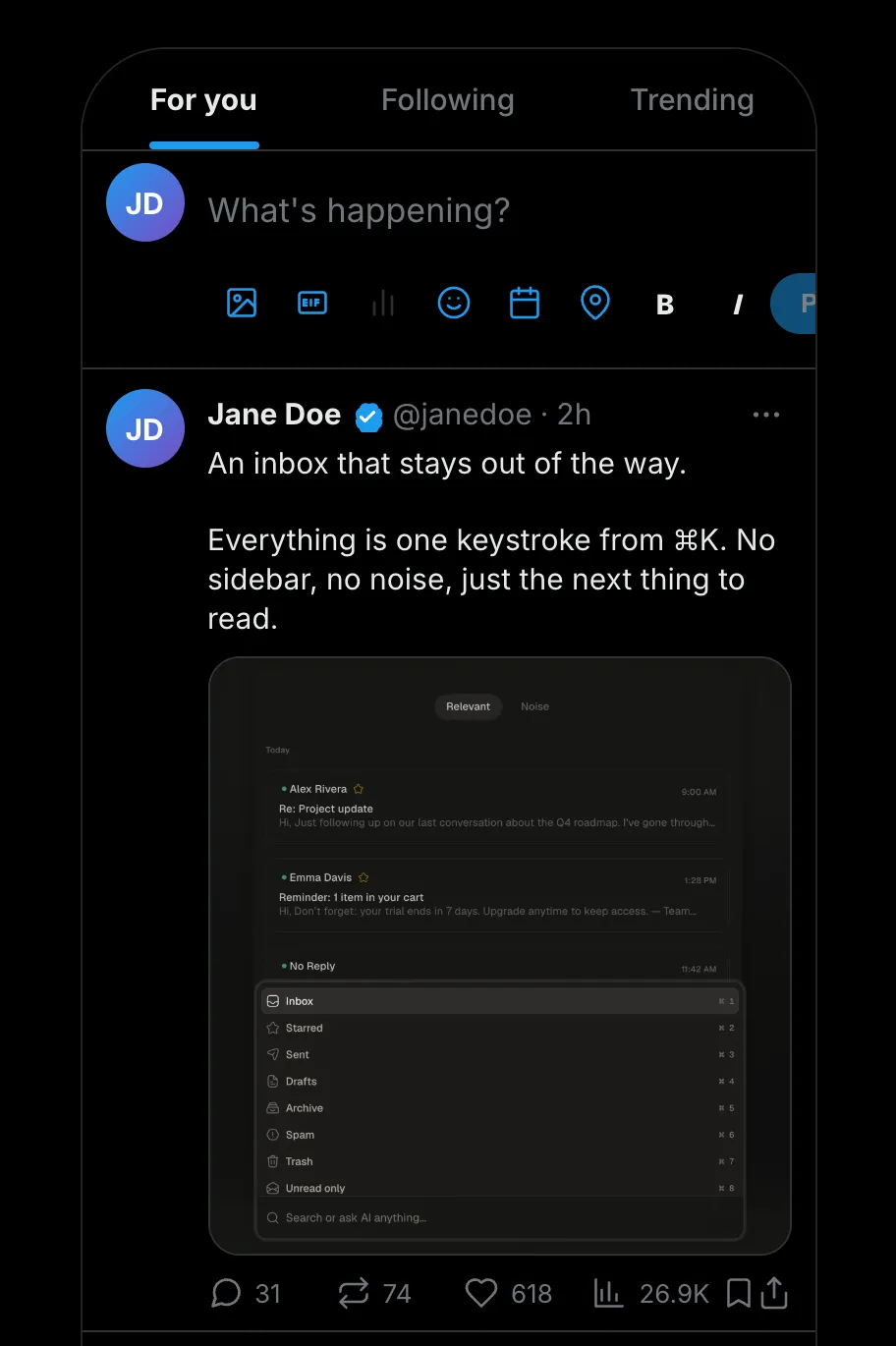
A minimal Gmail client for people who like shortcuts, search, and calm interfaces.

What
Gmail client
Role
Design and build

heev

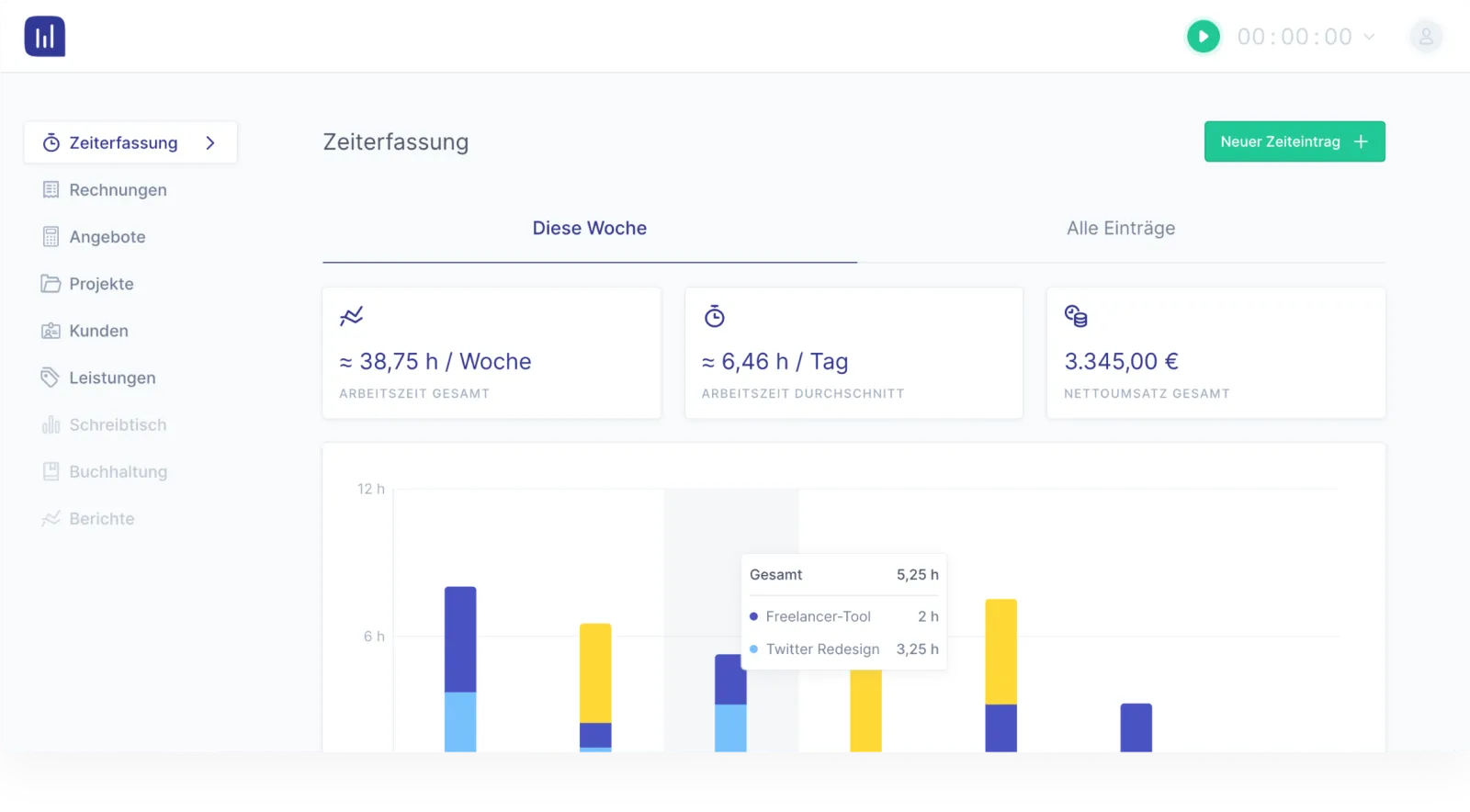
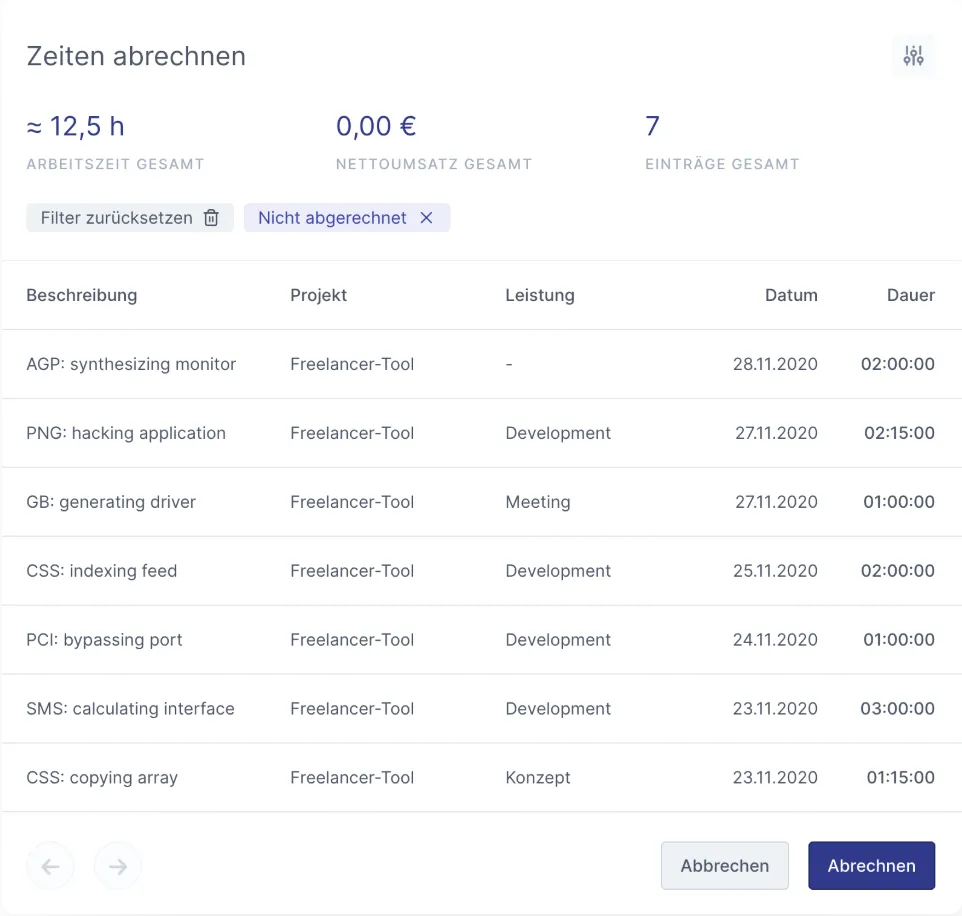
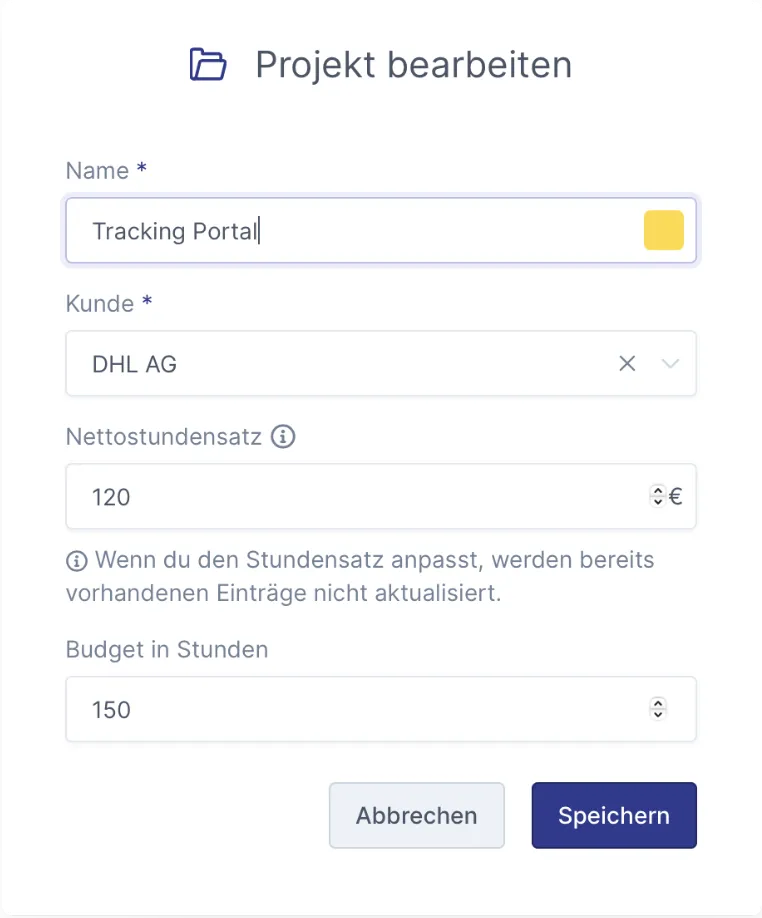
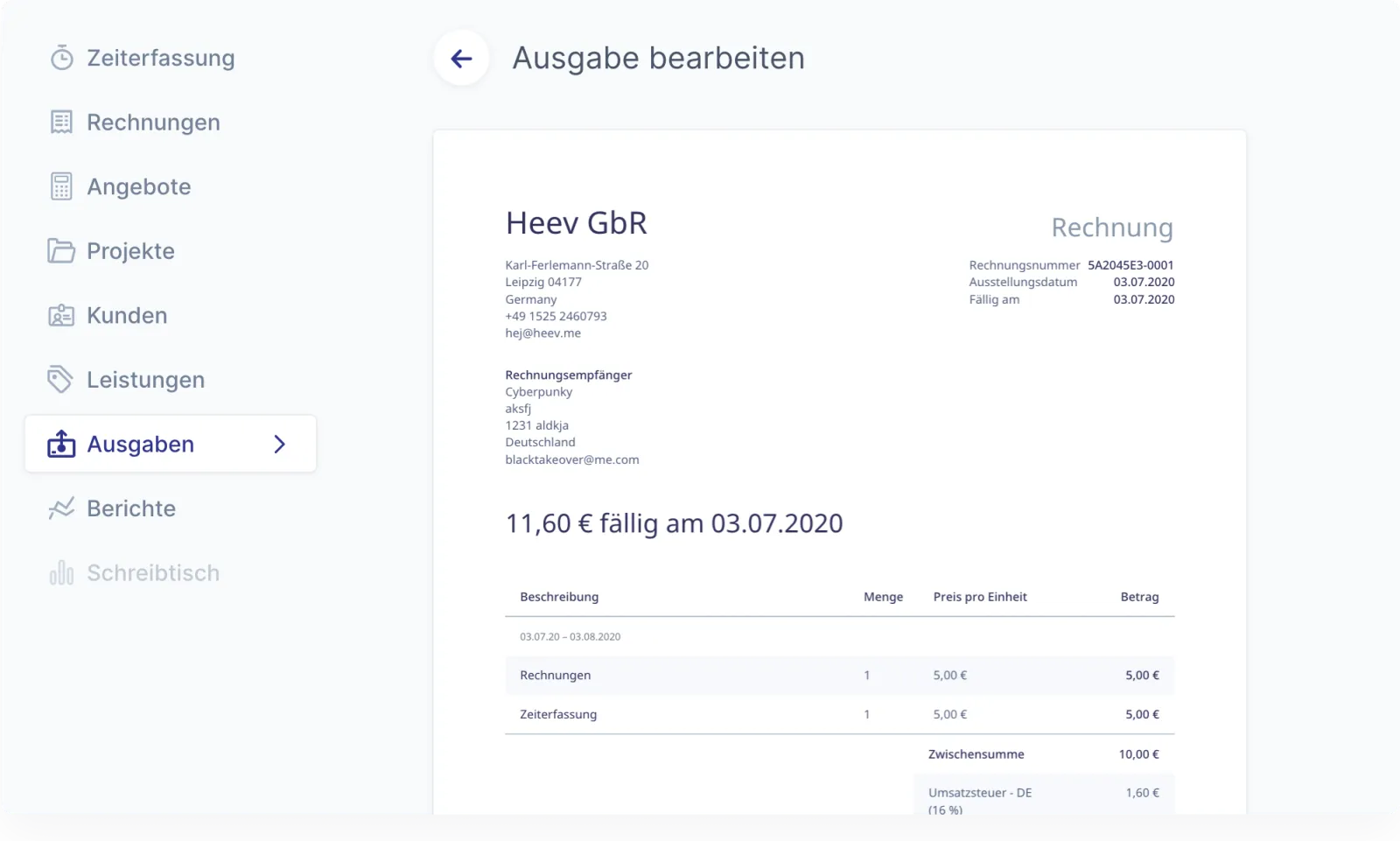
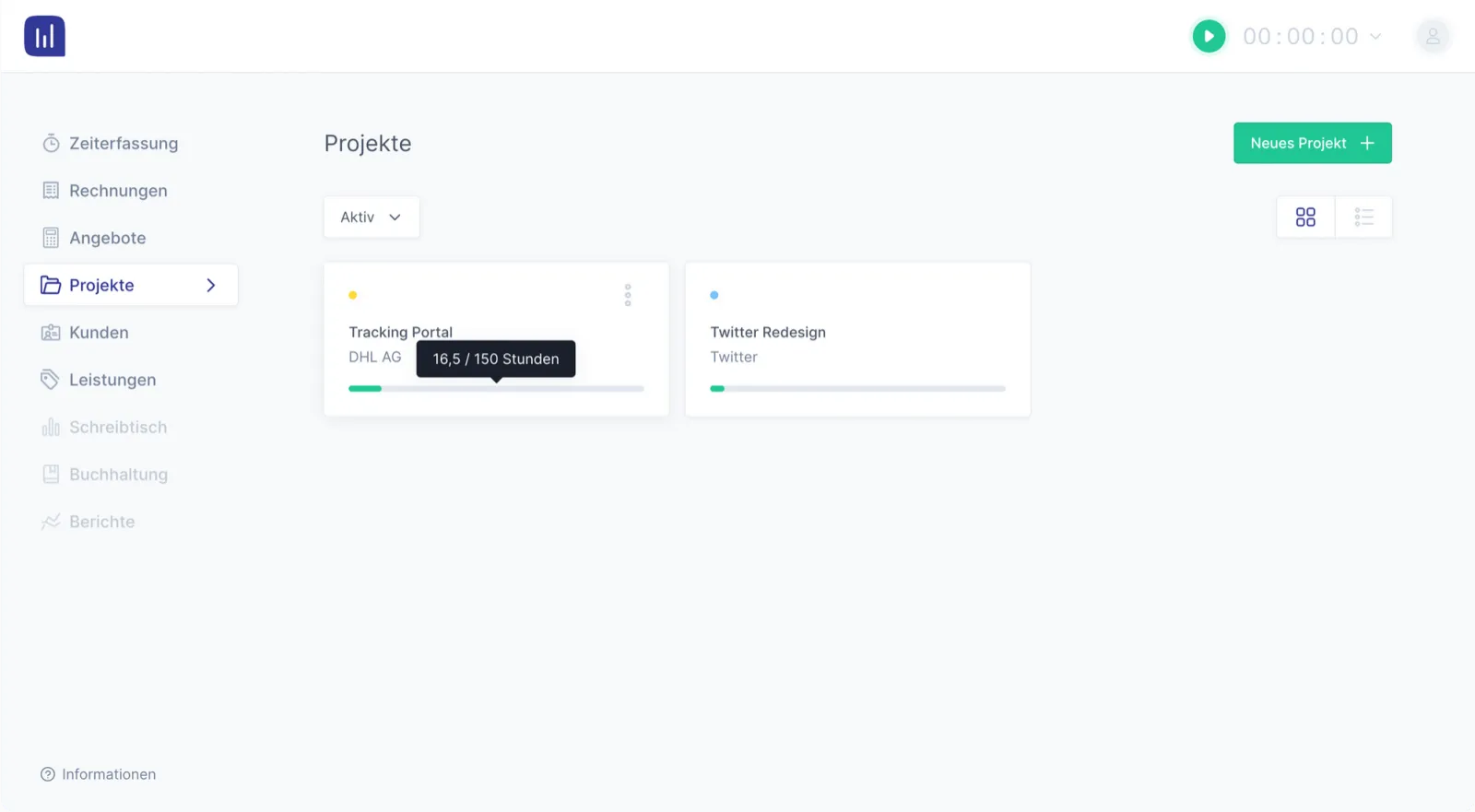
Business software for freelancers: time tracking, quotes, invoices and expenses in one place, reduced to what matters. Run the timer, then pull the tracked hours into an invoice with one click.

Quotes and invoices go out in your own branding, set up in a small layout designer. Made by freelancers for freelancers, in Leipzig, hosted in Germany. heev.me

Founded
2018
Where
Leipzig
What
Time tracking, quotes, invoices, expenses
Role
Co-Founder & Designer

How I work

I mostly work with early-stage to growth-stage tech companies, founders, and product teams who care about design as a strategic lever, not just decoration.

If you're looking for someone who can see the whole system and still ship the details, .

Thoughts

Prompting Naturally

02/2026

With recent AI tool explorations - with Claude Code, Figma make etc. - I realized something quite banal. Simple and plain prompting, yet still precise, seems to outplay hyper-optimized pre-prompted approaches.

I have tried to explain my intent and let ChatGPT create "the most optimal prompt." For creative work, such as image generation using Midjourney or Freepik spaces, this approach worked really well. Without taking notes or counting stats, anecdotally, I'd say it's better than just trying it with plain language.

For my more product and software related experiments however, I've find it to be counterproductive. I have tried the same "create the optimal prompt" approach for one experiment with different tools. Claude code, Antigravity + Gemini 3, Framer Workshop and Figma make.

All outcomes were rather mediocre, whereas Framer workshop and Figma make came up with the best results. In this case, "best" might be very subjective. But overall, they understood the idea best, proposed best layouts and didn't try to engineer.

Claude and Antigravity in contrast created small monsters for a simple form / chat idea with some logic. It did work, but it would've needed many iterations to get to a satisfying point. It felt like doing way too much and then having to trim off the fat.

I decided to start over again in Claude code. Same version, but a simplified procing logic - I've used a spec for instructions I previously created with the help of Notion Ai, since it had access to our studio related details - and provided claude with an instructions.md.

With that, all I started with was:

"build a super minimalistic chat bot like interface for a proposal estimator. fetch all details from instructions.md. the chat window should look like a modern, minimal, high quality chat interface, similar to chatgpt."

The initial version was already closer to what I've imagined. Far simpler, better ui, nailed the logic and flow.

Why I am writing this has actually less to do with AI and prompting, but with a finding for myself. Overthinking stuff, in maaany cases and situations will not lead to better a better outcome.

It sounds obvious and banal, but as someone who would call myself an introvert with tendencies of a perfectionist, this is something I have to remind myself quite regularly. Which, luckily, has become much better over the last years.
On taste and why it matters

12/2025

The ability to see, feel, hear and simply know what is good. The ability to distinguish quietly and confidently between what works and what doesn’t. To separate signal from noise. To decide what deserves attention and what deserves to be removed.

As AI accelerates the pace of creation and floods every space with endless options, taste becomes less of a luxury and more of a survival skill. Tools are democratized. Quantity becomes effortless. Quality stays rare.
Design won’t be about pushing pixels or mastering software anymore. It will be about having a strong filter. Clear judgment. The courage to say no. Sensitivity to aesthetics, meaning and timing. The discipline to remove anything that doesn’t serve the idea.

Taste might become the most valuable skill of the future.

Not because it creates more but because it chooses better.

Play

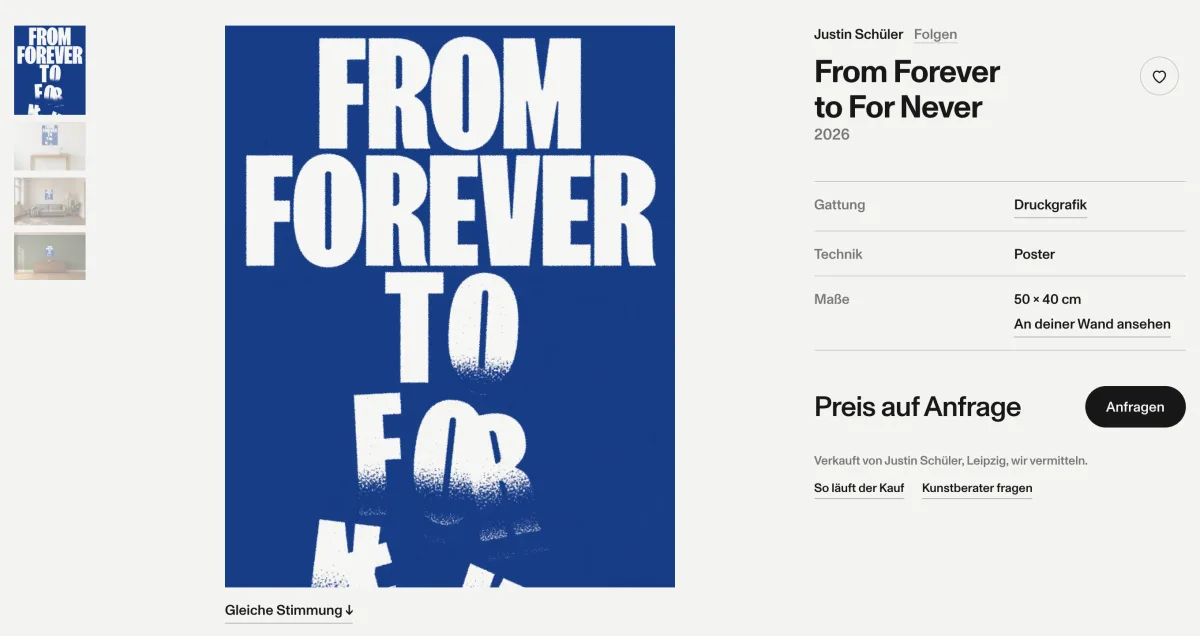
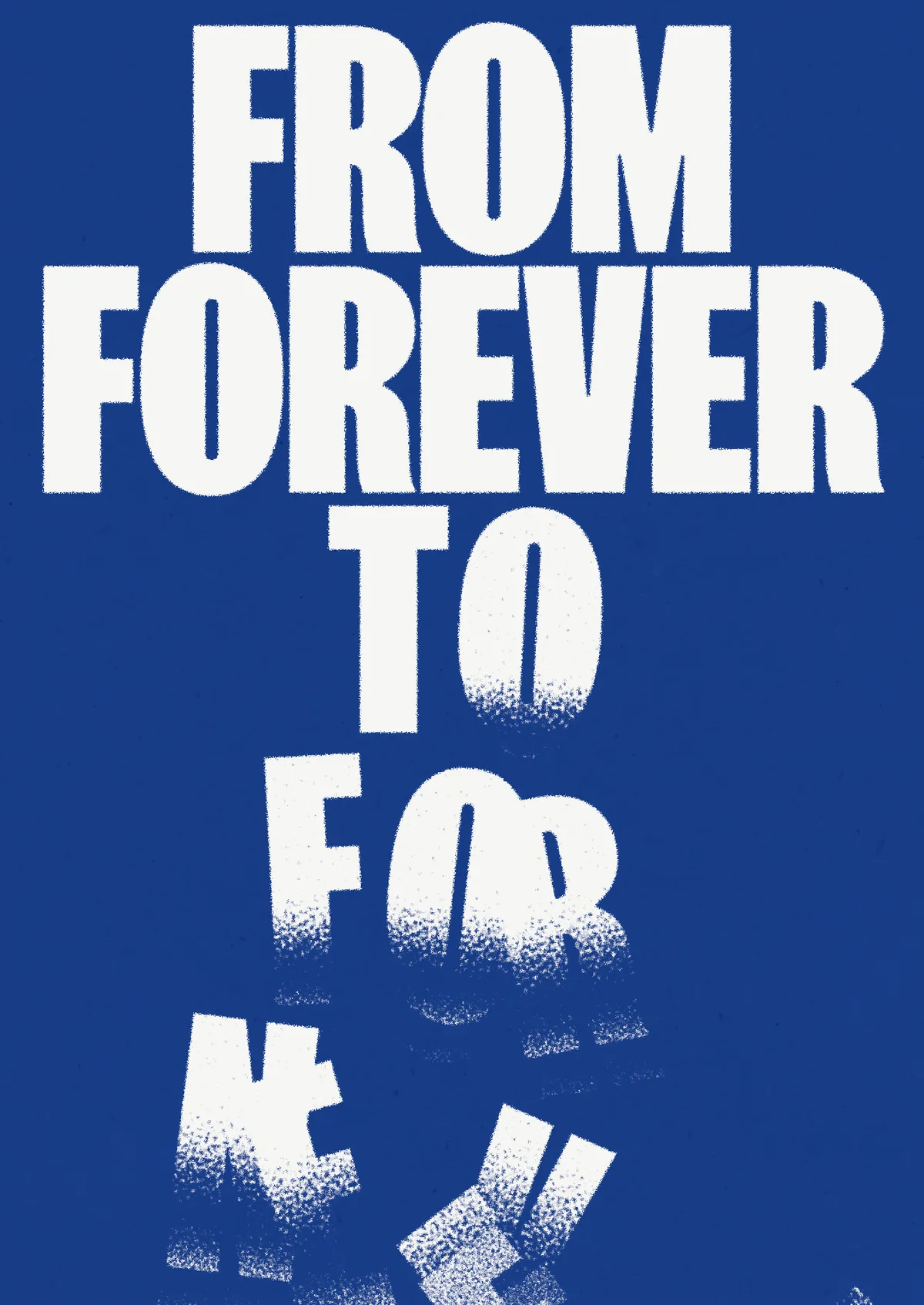
From Forever to For Never — Poster, Crumble
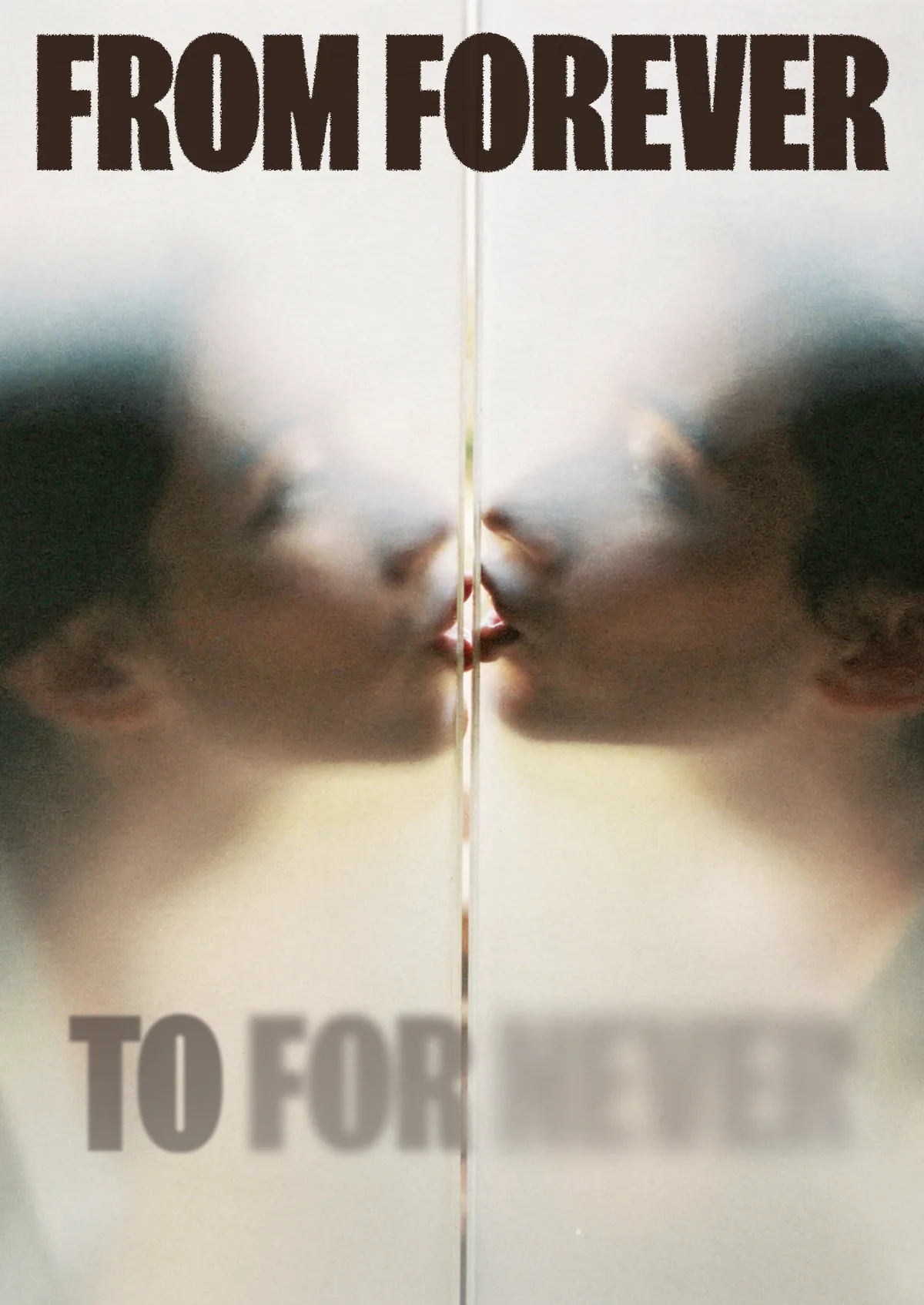
From Forever to For Never — Poster, Glass
From Forever to For Never — Motion
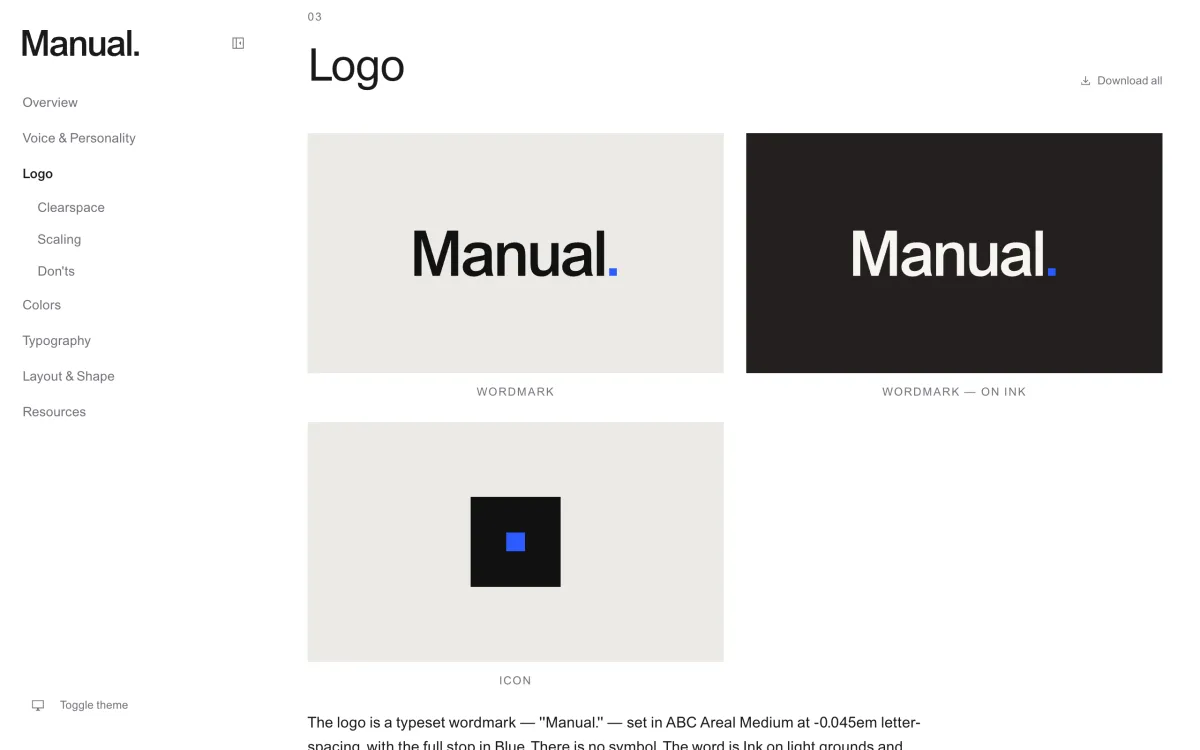
Manual, published guide — Brand guide builder
Manual, colors — Brand guide builder
offene art scale view — Art platform
offene art work page — Art platform
omou command bar — Gmail client
omou reading view — Gmail client
omou triage — Motion
Verk — macOS app, coming soon
previews.social, Instagram — Social previewer
previews.social, X — Social previewer
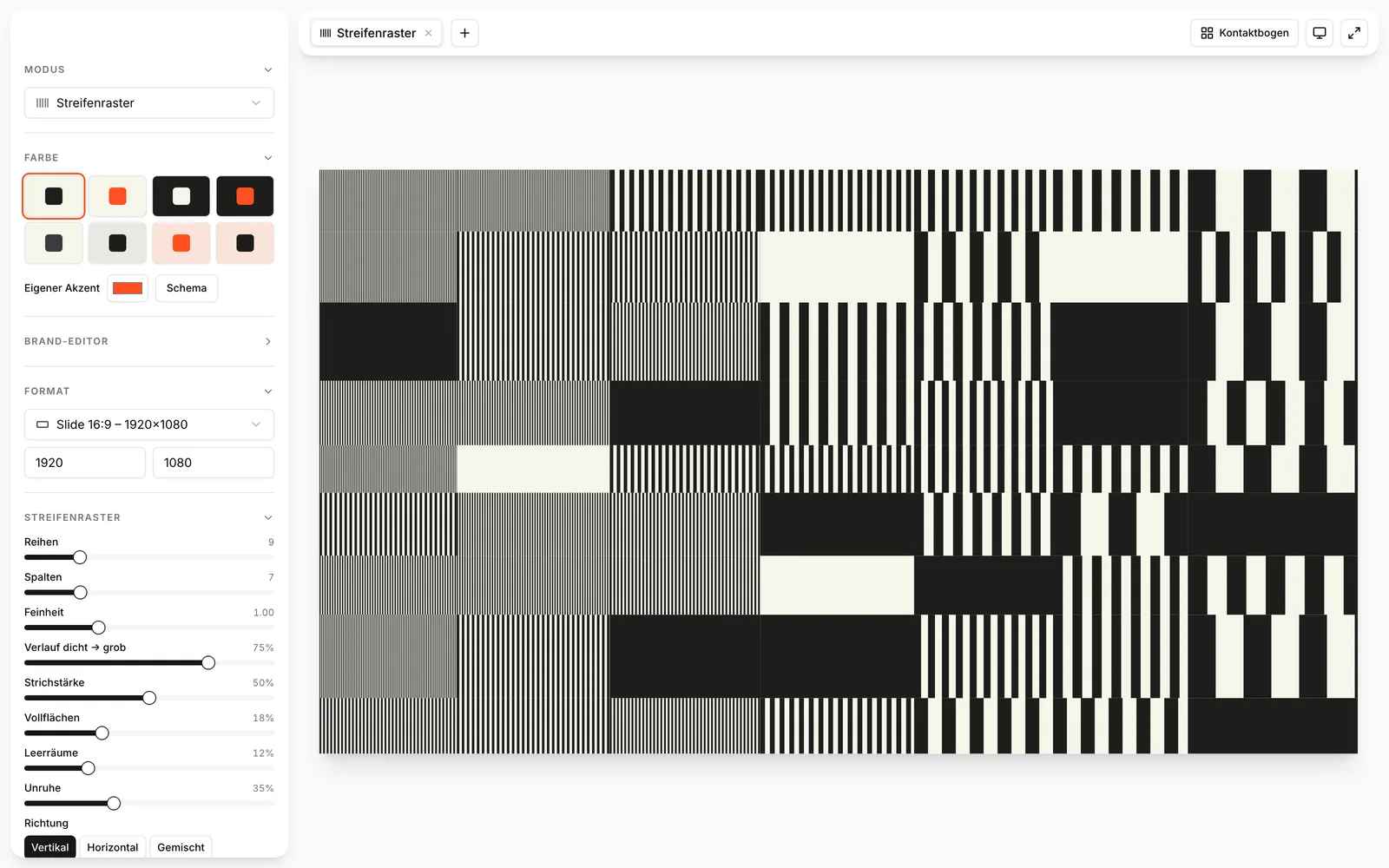
Brand Generator — Tool, smalltribe
Manual — Product
omou.app — Gmail client
møn – An audiovisual AI experiment — AI
Writer — Framer Template — Resource